Productivity

The Productivity Problem High-Achieving Women Have (But No One Talks About)

There is a particular kind of exhaustion that many high-achieving women carry quietly.

From the outside, they appear capable, dependable, organized, and ambitious. They are the women who remember birthdays, keep households functioning, meet deadlines, show up for everyone else, and somehow continue moving forward even when life becomes overwhelming. They are often praised for how much they manage and admired for how “together” they seem.

Yet internally, many of these same women feel like they are failing.

They feel behind on everything. They struggle to relax. Their minds are constantly tracking unfinished tasks, upcoming responsibilities, and all the things they should be doing better. No matter how much they accomplish in a single day, there is often a lingering sense that it still was not enough.

For years, productivity advice has framed this experience as a problem of discipline, time management, or motivation. Women are told they need better habits, stronger routines, more consistency, or improved focus. But for many high-achieving women, the issue is not laziness or a lack of ambition. In fact, the opposite is usually true.

The real productivity problem many women face is that they are chronically over-functioning while simultaneously invalidating the enormous amount they already do.

Modern productivity culture rarely acknowledges invisible labor, emotional labor, or mental load. It celebrates visible achievement while ignoring the relentless behind-the-scenes work required to keep a life running. As a result, many women have developed a distorted perception of what productivity actually is.

They do not see themselves as productive because they have been conditioned to dismiss the very work consuming most of their energy.

1. You’re Always Willing to Help Others, But Rarely Ask for Help Yourself

One of the clearest signs of this pattern is the way many women instinctively show up for others while struggling to ask for help themselves. They are often the first person people call when something goes wrong. They help solve problems, carry emotional weight for others, manage logistics, offer support, and make themselves available whenever they are needed. Yet when they need support themselves, asking for help can feel uncomfortable or even shameful.

Somewhere along the way, many women absorbed the belief that independence equals worthiness. They learned that needing help is weakness, that competent people should be able to handle everything alone, or that asking for support makes them a burden. Over time, this creates lives where women are carrying overwhelming amounts of responsibility with very little support, all while believing they should somehow be managing it better.

2. You Constantly Feel Behind — Even When You’re Accomplishing a Lot

Many high-achieving women live with a constant sense of being behind, even during seasons where they are accomplishing far more than most people realize. Their attention naturally gravitates toward unfinished tasks, future responsibilities, and everything left undone. Their minds remain focused on what still needs attention rather than what has already been completed.

As a result, their nervous systems rarely register completion or success. There is no emotional feeling of “done.” Only pressure. Even highly productive days can feel emotionally unsatisfying because their internal focus remains locked onto what still has not been accomplished.

3. You Minimize Things That “Don’t Count” as Productivity

Many women dismiss large portions of their daily labor because they do not view those responsibilities as “real productivity.” Managing schedules, planning meals, coordinating appointments, organizing households, remembering details for other people, caregiving, cleaning, emotional support, and handling life administration are often treated as ordinary obligations rather than recognized as the significant cognitive and emotional labor they actually are.

But mental load is still labor.

Executive functioning requires energy. Decision-making requires energy. Constantly anticipating needs, solving problems, remembering details, and managing the moving pieces of life requires energy. Many women are expending extraordinary amounts of mental bandwidth every single day while telling themselves they have not done enough because their effort does not resemble the narrow version of productivity promoted online.

4. You Only Feel Productive When You’re Exhausted

This is one reason so many women only feel productive when they are exhausted.

Rest can begin to feel uncomfortable. Ease feels suspicious. A calm, spacious day can trigger guilt rather than satisfaction because productivity has become psychologically associated with depletion. If a woman is not overwhelmed, pushing herself to the limit, or operating under pressure, she may feel as though she is not doing enough.

Burnout becomes normalized and eventually mistaken for ambition. The problem is that exhaustion is not proof of effectiveness. It is often proof that someone has been operating without enough support, boundaries, recovery, or sustainability for far too long.

5. You’re Productive in Crisis, But Struggle With Sustainability

Many high-achieving women become exceptionally skilled at functioning in crisis. They know how to push through difficult seasons, perform under pressure, hold everything together temporarily, and continue producing results regardless of how overwhelmed they feel internally.

The problem is that survival mode is not the same thing as sustainability.

A nervous system that has adapted to constant urgency may struggle with slower, steadier routines. Calm can feel unfamiliar. Sustainable systems can initially feel ineffective simply because they lack the intensity the brain has learned to associate with productivity. This often leads women to believe they lack discipline when in reality they have spent years conditioning themselves to operate through stress hormones and pressure.

6. You Overload Yourself, Then Blame Yourself for Feeling Overwhelmed

Another painful pattern many women experience is overloading themselves and then blaming themselves for feeling overwhelmed by the weight of it all. Instead of stepping back and recognizing that the workload itself may be unrealistic, they internalize the struggle as a personal failure.

They think they need to become more organized, more disciplined, more efficient, or better at managing their time. Rarely do they stop to ask whether one person should reasonably be expected to carry this much in the first place.

This is not necessarily a productivity issue. Often, it is an expectations issue.

Many women are trying to function at impossibly high levels across every category of life simultaneously while receiving very little support. No planner, routine, or productivity app can compensate for chronic overload forever.

7. You Keep Searching for Better Tools Instead of Better Support

Many women believe the solution to feeling overwhelmed is finding the perfect system. So they continue purchasing planners, apps, courses, notebooks, and productivity tools in hopes that the next strategy will finally make everything feel manageable.

While tools can absolutely help, tools alone cannot replace support.

What many women actually need is accountability, structure, mentorship, delegation, community, and systems that reduce cognitive overload rather than simply organizing it more beautifully. Productivity becomes much more sustainable when women stop trying to carry everything entirely alone.

8. You Feel Guilty Resting Because There’s Always More To Do

For many women, rest feels conditional. There is always another task waiting, another responsibility unfinished, another message unanswered, another obligation looming in the background. Because the to-do list never fully ends, rest starts to feel like something that must be earned rather than something fundamentally necessary.

This creates a difficult dynamic where women may technically stop working while never feeling mentally at rest. Even during downtime, their minds remain occupied with planning, remembering, anticipating, or mentally organizing future tasks.

Without intentional boundaries, productivity can quietly consume the ability to be fully present inside one’s own life.

9. You’re Extremely Competent, But Secretly Feel Like You’re Failing

One of the most confusing aspects of this experience is the disconnect between how women are perceived externally and how they feel internally. Other people often view them as highly capable, organized, dependable, ambitious, and productive.

Meanwhile, internally, they may feel scattered, overwhelmed, emotionally exhausted, and like they are barely keeping up.

This disconnect is incredibly common among high-achieving women because competence often increases responsibility. The more capable someone appears, the more likely they are to become the person everyone relies on. Over time, this can create a life where outward success masks chronic internal depletion.

10. You’re Holding Yourself to Impossible Standards

Many women are operating under expectations that no human being could consistently sustain.

They expect themselves to remember everything, manage everything, optimize everything, support everyone, maintain routines perfectly, pursue ambitious goals, and handle every responsibility gracefully while remaining calm, healthy, and emotionally available at all times.

When these standards inevitably become overwhelming, they blame themselves instead of questioning whether the expectations themselves are realistic.

Perfectionism often disguises itself as productivity. But in reality, impossible standards create chronic feelings of inadequacy no matter how much someone accomplishes.

11. You Spend So Much Time Managing Life That You Rarely Feel Present Inside It

Many women spend so much of their mental energy planning, organizing, anticipating, preparing, caretaking, and problem-solving that they rarely feel fully present inside their own lives.

Even moments intended for rest can feel mentally crowded. Their brains remain occupied by future logistics, unfinished responsibilities, and the constant management of daily life. They become highly efficient at running life while simultaneously struggling to fully experience it.

This is one reason functional planning matters so much. The purpose of good systems is not simply to help women accomplish more. It is to reduce mental clutter so they can reclaim energy, attention, peace, and presence.

12. You Think You Need to Become “Better” Before You Deserve Support

Perhaps one of the most damaging beliefs many women carry is the idea that they need to become more organized, more disciplined, more healed, or more consistent before they are worthy of receiving support.

They tell themselves that once they finally get everything together, then they will ask for help, hire support, join the program, create systems, or allow themselves to lean on others.

But support is often the thing that helps people become consistent in the first place.

No one is meant to navigate every responsibility, decision, and emotional burden entirely alone. Sustainable productivity is not created through self-punishment or endless optimization. It is created through support, systems, boundaries, self-awareness, and realistic expectations.

The truth is that many high-achieving women are already extraordinarily productive. The problem is that they have been conditioned to measure themselves against impossible standards while dismissing the invisible labor consuming most of their energy.

They do not need to become machines. They do not need to earn rest. They do not need to prove their worth through exhaustion.

What they often need most is permission to stop carrying everything alone.

That is why true productivity is not about doing more. It is about creating systems, routines, and support structures that allow women to build meaningful lives more sustainably. It is about making space for what matters without sacrificing themselves in the process.

Because the goal was never to become someone who can do everything perfectly.

The goal is to create a life that feels functional, intentional, supported, and fully lived.


If you could see yourself in many of these patterns, I want you to know something:

You are not failing at productivity.

You are likely carrying far more than you give yourself credit for while holding yourself to unrealistic standards with very little support.

You do not need to become more disciplined in order to deserve help. You do not need to earn rest by exhausting yourself first. And you do not need to prove your worth by carrying everything alone.

This is exactly why I believe so deeply in creating functional systems, supportive routines, and sustainable structures that reduce mental overload instead of adding more pressure to your life.

Whether that looks like using a planner as your second brain, building better routines, or surrounding yourself with support and accountability through spaces like The Charmed Life Master Mind, the goal is not to become someone who can endlessly do more.

The goal is to create a life that feels calmer, more intentional, more supported, and far more sustainable.

Because productivity should help you enjoy your life — not disappear inside of managing it.

xoxo,

Reset Your Life in 7 Days Using This Simple Planning System

There are seasons where life doesn’t feel dramatically off, but it also doesn’t feel quite right either. Things start to slip in subtle ways. Your routines become inconsistent, your space feels a little more cluttered than usual, and your mind begins holding more than it should. Nothing is completely broken, but everything feels slightly heavier.

That’s usually the point where the instinct is to start over. To fix everything at once. To reset your entire life in a single burst of motivation.

But that approach rarely lasts.

In my experience, what you actually need isn’t a complete overhaul. You need a way to come back to yourself—gradually, intentionally, and without pressure. A reset that unfolds in layers instead of all at once.

This is the process I return to whenever things feel off. It’s simple, but it works because it gives each part of your life the attention it needs, one step at a time.

Why a 7-Day Reset Works

Trying to change everything in a single day creates more friction than progress. It might feel productive in the moment, but it often leads to burnout or inconsistency within a few days.

A week, on the other hand, gives you space to move differently. It allows you to focus on one area at a time—your thoughts, your priorities, your environment, your routines—without overwhelming yourself.

More importantly, it creates momentum.

Each small step builds on the one before it. By the time you reach the end of the week, you’re no longer trying to fix your life—you’re already living in a version of it that feels more clear, more organized, and more intentional.

Day 1: Clear Your Mind

The first step is always the most important, even though it looks the simplest.

You sit down and write everything out. Not just your tasks, but anything that has been sitting in your mind—ideas, reminders, things you’ve been putting off, things you don’t want to forget.

There’s no structure here yet. No sorting or organizing. The goal is simply to get it out.

Because when your mind is holding too much, everything starts to feel harder than it needs to be. Clearing that mental space creates a sense of relief that makes every step after this easier.

Day 2: Decide What Matters

Once everything is out of your head, you’ll likely notice that not all of it deserves your attention right now.

This is where you begin to choose.

Instead of trying to tackle everything, you ask a more grounded question: what actually matters this week? What would make things feel more stable, more complete, more in order?

You narrow your focus to a few meaningful priorities. Not a long list, just a handful of things that genuinely move your life forward.

This is the moment where overwhelm begins to shift into clarity.

Day 3: Reset Your Environment

With your mind clearer and your priorities defined, your environment becomes easier to address.

This isn’t about deep cleaning your entire life. It’s about creating a space that supports you.

You might start with your desk, your main living area, or wherever you spend the most time. You clear surfaces, put things back where they belong, and remove anything that feels like unnecessary noise.

Even small changes here can have a noticeable impact. When your environment feels lighter, it becomes easier to think clearly and move through your day with more ease.

Day 4: Rebuild Your Routines

By the fourth day, you’re ready to reintroduce structure in a way that feels manageable.

This isn’t about creating the perfect routine. It’s about giving your day a rhythm again.

You might start with a simple morning routine that helps you ease into the day, a loose structure for your work hours, and a way to close your day in the evening so you’re not carrying everything into tomorrow.

Routines don’t need to be complex to be effective. They simply need to exist, so you have something steady to return to.

Day 5: Plan Your Week

At this point, everything begins to come together.

Your mind is clearer, your priorities are defined, your space feels more supportive, and your routines are beginning to take shape. Now, you can plan your week from a completely different place.

You take what matters and give it a place in your schedule. You assign tasks to days, space out your responsibilities, and decide what your focus will be ahead of time.

Instead of approaching your week with uncertainty, you begin it with a sense of direction.

Day 6: Begin, Gently

This is where action begins, but without pressure.

You’re not trying to prove anything to yourself. You’re simply following through on what you’ve already planned.

You complete a few meaningful tasks, allow yourself to move at a steady pace, and resist the urge to overdo it. The goal here is not intensity, but consistency.

Starting gently builds confidence. And that confidence makes it easier to keep going.

Day 7: Reflect and Refine

The final day is quieter, but just as important.

You take a moment to look back on the week and notice what worked. Where did things feel easier? What felt supportive? What still needs adjustment?

This reflection isn’t about judgment. It’s about awareness.

Because the more you understand what works for you, the easier it becomes to create systems that actually fit your life.

What This Process Really Creates

By the end of the week, the shift is noticeable—but it doesn’t feel forced.

Things feel calmer. More organized. More manageable.

Not because everything is perfect, but because everything has a place.

This is what planning is meant to do. Not help you do more, but help you focus on what matters and make space for it in a way that feels natural and sustainable. 

If You Want to Build This Into Your Life

If this process resonates with you, the next step is making it something you can return to consistently.

The Well Planned & Productive Woman Essential Planning Guide will walk you through how to build a system like this in a way that fits your life, not someone else’s routine.

And the Charmed Life Master Planner gives you a place to hold everything—so your plans, priorities, and routines live outside your head, where they can actually support you.

Final Thought

You don’t need to start over.

You don’t need to fix everything at once.

You just need a way to come back to what matters, one step at a time.

And sometimes, that begins with a single week—and a simple plan to reset.

xoxo,

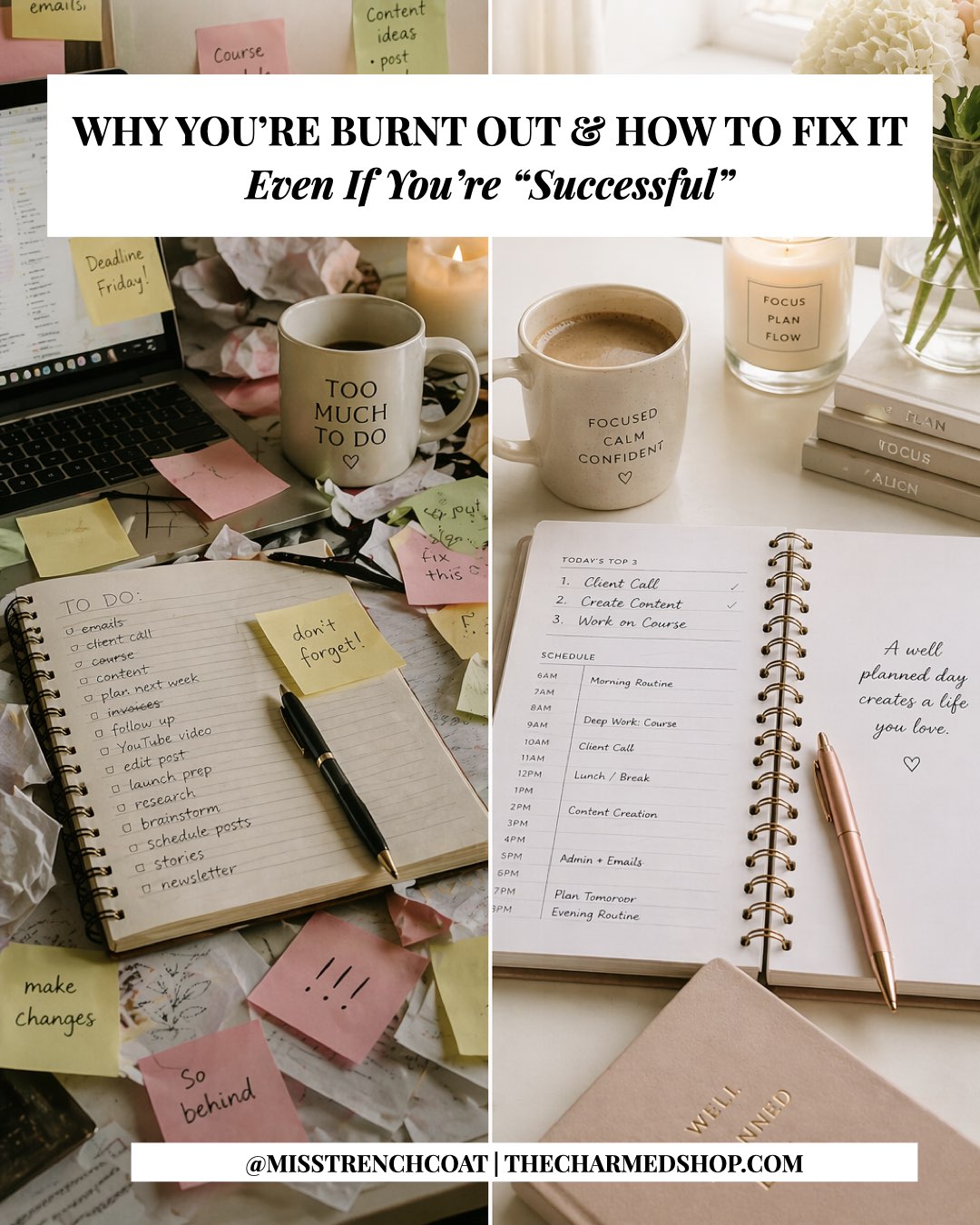
Why You’re Burnt Out (Even If You’re “Successful”) And How to Fix It

There’s a version of success no one really prepares you for.

The one where everything looks good on paper…
But your actual life feels exhausting.

You’re getting things done.
You’re showing up.
You’re achieving things you once wanted.

And yet you feel:

  • constantly behind
  • mentally drained
  • disconnected from your own life

This is the quiet reality of burnout.

And here’s the truth most people miss:

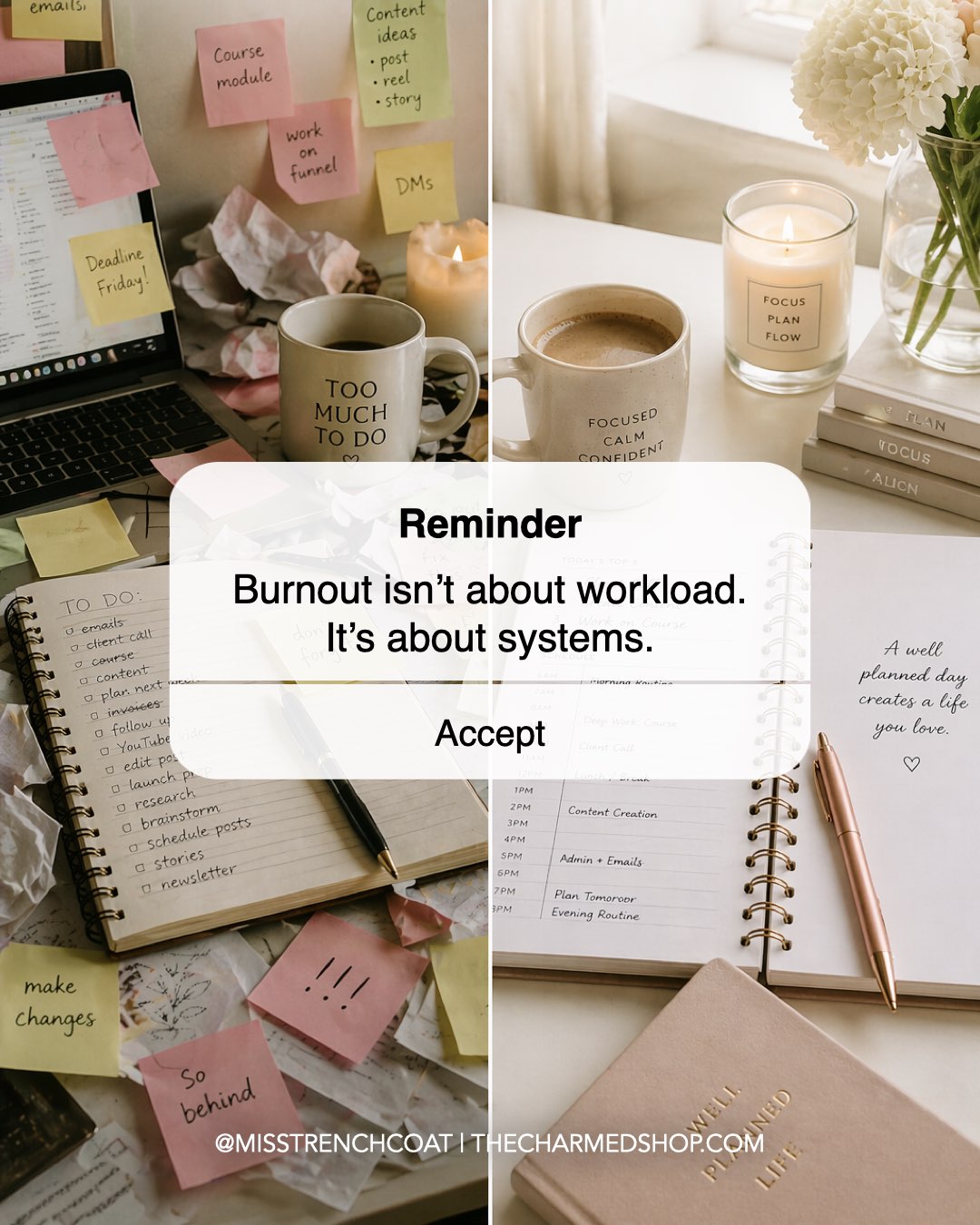
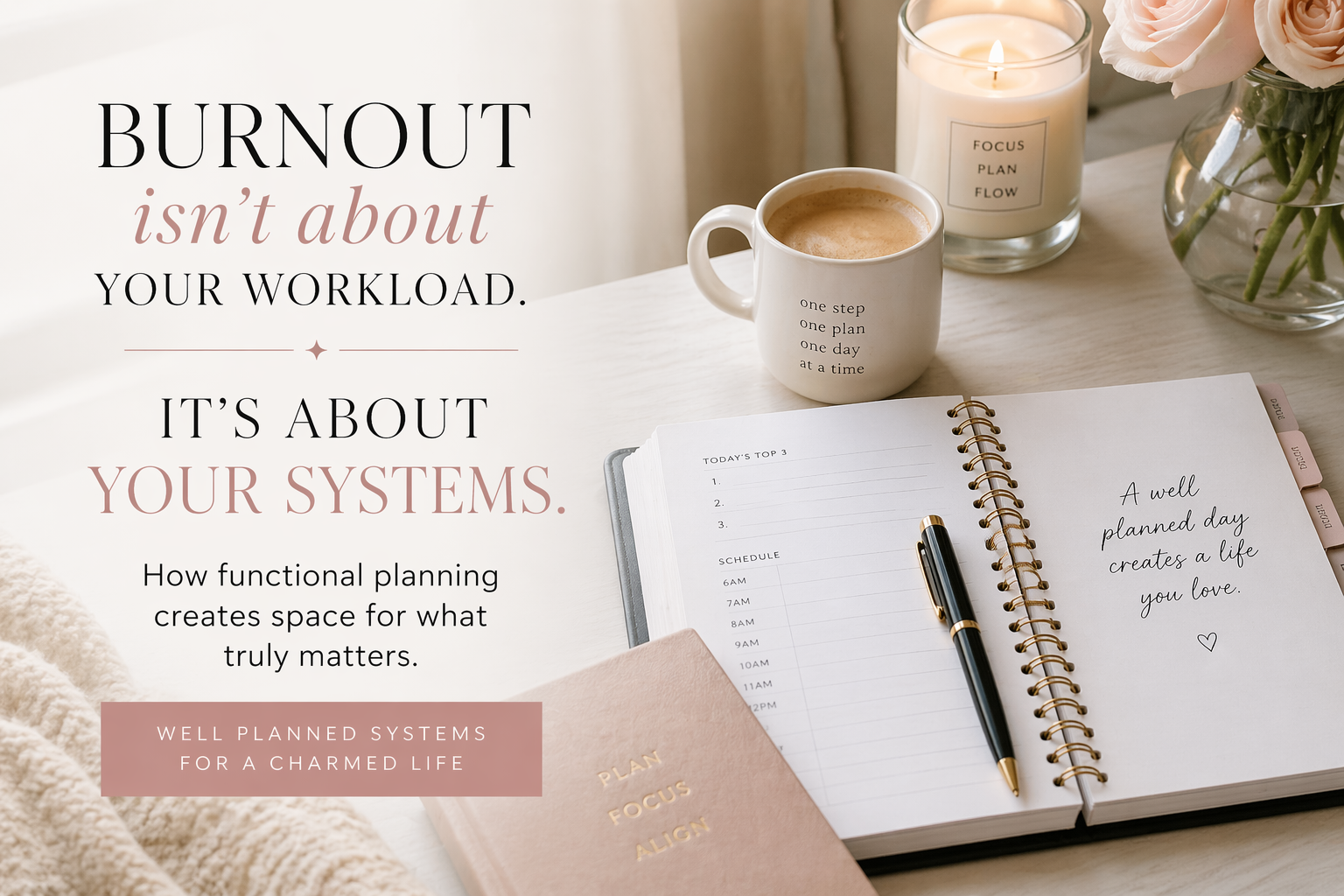
Burnout isn’t a failure of ambition.
It’s a failure of systems.

In this post, we’re going to walk through:

  • How to identify if you’re actually burnt out
  • What’s really causing it
  • And how to fix it in a sustainable, structured way

Because you don’t need to do less.
You need a better way to support the life you’re building.

What Burnout Actually Looks Like (It’s Not Just Being Tired)

Burnout isn’t just exhaustion.

It’s deeper than that—and often more subtle at first.

Here are some signs you might be experiencing it:

  • You’re always “on,” but never feel caught up
  • You cancel or avoid plans because work takes over
  • You feel irritable, overwhelmed, or emotionally flat
  • You struggle to be present—even when you’re resting
  • You’ve lost excitement for things you used to enjoy
  • You feel like your life is all work… and no space

Burnout is what happens when your life becomes all output and no support.

And the most frustrating part?

You can be incredibly productive… and still feel completely depleted.

The Hidden Causes of Burnout

Most people think burnout comes from “doing too much.”

But that’s only part of the story.

The real causes are often more internal—and more systemic.

1. No Boundaries

When everything feels urgent, everything gets your time.

2. Perfectionism

You spend more time than necessary trying to get everything just right.

3. Fear of Failure

You overwork to prove yourself—or avoid falling behind.

4. Doing Everything Yourself

You don’t delegate, defer, or ask for help.

5. No Systems to Support You

Everything lives in your head… which means everything feels important.

When you’re relying on memory instead of structure, your brain never gets to rest. 

And over time, that constant mental load becomes unsustainable.

How Burnout Is Affecting Your Life (Beyond Work)

Burnout doesn’t stay neatly contained in your to-do list.

It spills into everything.

Your Relationships

You cancel plans.
You’re distracted.
You feel disconnected from people you care about.

Your Home

It stops feeling like a sanctuary… and starts feeling like a pit stop.

Your Identity

You don’t feel like yourself anymore.
Just a version of you that’s constantly trying to keep up.

Your Life Overall

You’ve built something meaningful…
But you’re not actually enjoying it.

A life you worked so hard to create shouldn’t feel like something you need to escape from.

📓 Burnout Self-Check: Journal Prompts

If you’re not sure where you stand, start here.

Take a few quiet minutes and reflect on these:

  • What areas of my life feel neglected right now?
  • When was the last time I felt truly rested—and why?
  • What am I currently saying “yes” to that I resent?
  • Where am I trying to do everything myself?
  • What would my ideal week actually look like?
  • What am I afraid would happen if I slowed down?

And most importantly:

  • If nothing changes, how will I feel 6 months from now?

Awareness is the first step—but it’s not the solution.

Let’s talk about what actually works.

How to Fix Burnout (Without Giving Up Your Goals)

Burnout doesn’t require you to quit everything and start over.

It requires you to change how you’re operating.

This is where functional planning comes in.

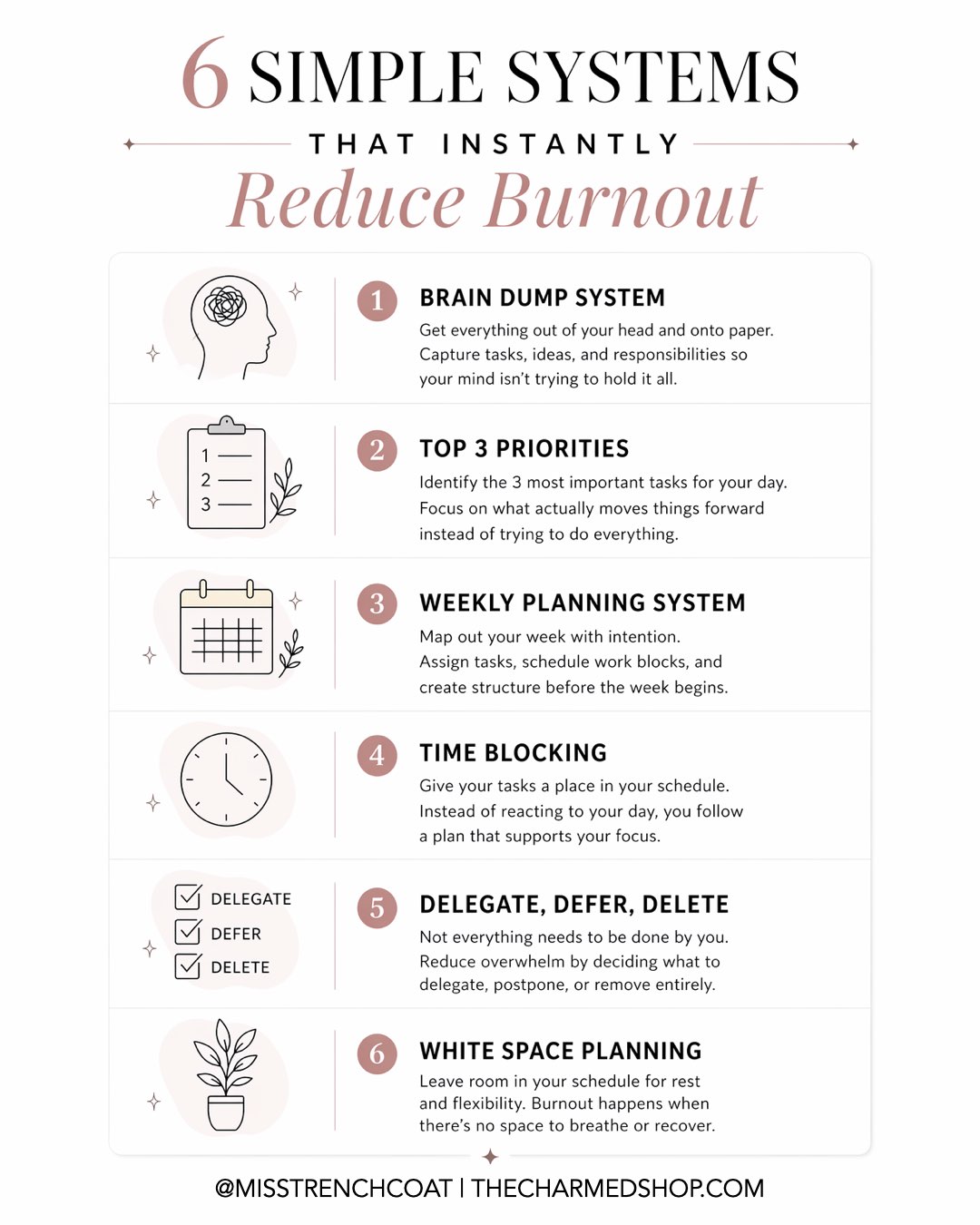
Step 1: Get Everything Out of Your Head

Start with a full brain dump.

Tasks, ideas, responsibilities—everything.

Your brain was never meant to store and manage it all.

Your planner becomes your second brain—so your mind can finally rest.

Step 2: Prioritize What Actually Matters

Not everything deserves your time just because it exists.

Use simple filters:

  • What’s important?
  • What’s urgent?

Then focus on your Top 3 priorities each day.

This is how you create progress without overwhelm.

Step 3: Set Boundaries That Protect Your Energy

Boundaries aren’t about restriction—they’re about sustainability.

This might look like:

  • Clear work hours
  • Defined off-time
  • Saying no (without over-explaining)

Boundaries are what allow your success to coexist with your well-being.

Step 4: Delegate, Defer, or Delete

You are not meant to do everything.

Start asking:

  • Can this be delegated?
  • Can this be done later?
  • Does this need to be done at all?

This is one of the fastest ways to reduce overwhelm.

Step 5: Rebuild Your Weekly Structure

Instead of reacting to your week… design it.

Include:

  • Focused work blocks
  • Personal time
  • Rest and recovery

You don’t need more time—you need a more intentional plan for the time you already have.

Step 6: Create Space for Recovery (Without Guilt)

Rest is not a reward.

It’s a requirement.

Build in:

  • white space in your schedule
  • low-energy tasks for busy days
  • time to reset and recharge

Because burnout doesn’t come from doing too much once.

It comes from doing too much without recovery.

The Real Fix: Why Burnout Keeps Coming Back

Here’s where most people get stuck.

They:

  • take a day off
  • try to “reset”
  • maybe reorganize their planner

And then…

They fall right back into the same cycle.

Why?

Because burnout isn’t solved with temporary fixes.

Burnout is solved with systems, support, and consistency.

What’s usually missing is:

  • Ongoing structure
  • Accountability
  • A repeatable planning process
  • Guidance on how to actually implement it

The Next Step: Building a Life That Supports You

You are not burnt out because you’re incapable.

You’re burnt out because you’ve been operating without the right support.

And the solution isn’t to shrink your goals.

It’s to build a life that can actually hold them.

This is exactly what we focus on inside The Charmed Life Master Mind:

  • Creating sustainable routines
  • Building planning systems that work in real life
  • Learning how to manage your time, energy, and priorities
  • Having ongoing support as you implement it all

Because a well planned life isn’t just more productive—

It’s calmer.
More intentional.
And actually enjoyable to live.

If you’ve been feeling overwhelmed, stretched thin, or disconnected from your life…

This is your sign to do things differently.

Not by doing less.

But by finally creating systems that support you.

xoxo,

A Planner Doesn’t Make You Productive—But a Well Planned System Does

Stop buying planners that can’t do the job. It’s time for a system that actually works.

Why do so many women buy planner after planner—only to give up on them within weeks?

If you’ve ever found yourself drawn to a beautiful planner, convinced this one will finally help you stay organized and on top of your life, you’re not alone. You start strong—color-coding appointments, writing to-do lists, maybe even mapping out goals. But a few weeks in, life gets messy… and the planner gets pushed aside. Again.

I know this cycle well—because I lived it.

When I first discovered the planner community back in 2014, I was enchanted. I loved the aesthetics, the promise of order, the hope that this time, I’d finally get it together. I bought planner after planner with the best intentions, but none of them stuck. I kept switching, thinking maybe the next one would be “the one.” But it wasn’t me that was broken—it was the planners. They all looked different on the outside, but inside, they were all the same: blank calendars, some to-do list space, and no system.

That realization was the turning point for me.

I didn’t need more space to write down tasks—I needed a way to think through my tasks. To capture what mattered, organize it with intention, and schedule it in a way that respected my energy and time. So I started designing my own inserts based on what I actually needed to plan. That process evolved into what I now call the Functional Planning Method, and it became the foundation for the Charmed Life Master Planner—a tool built not just to look pretty, but to work.

The planner I created is broken into three core sections:

One for capturing and prioritizing

One for organizing strategically

And one for allocating and scheduling

Most planners only give you the last part. But real productivity doesn’t come from writing things down—it comes from knowing what to write down, why it matters, and how to act on it.

The Myth Debunked 

The Myth: A planner is a productivity solution.
The Truth: A planner is a tool—but a well planned system is the solution.

Most planners on the market promise to help you “get organized” or “be more productive,” but the reality is, most of them are missing the very structure you need to succeed. They give you a place to write things down—but not a process for deciding what belongs there in the first place.

If you’ve ever sat down with a blank planner and felt that familiar wave of overwhelm—wondering what to write, how to organize it, or where to start—you’ve experienced this problem firsthand.

In order to make a functional plan, you need more than paper and dates. You need a planning logic, a workflow, and a system.

Here’s the truth that most people never realize:
Most planners only give you the final step of the planning process—allocation and scheduling.
They skip the crucial steps that come before it—capturing, prioritizing, and organizing—and that’s why they don’t actually work.

When you try to plan without a full system, you end up overloading your schedule, missing key details, and eventually burning out. You feel like you’re planning, but really, you’re just writing down chaos.

That’s why I designed the Charmed Life Master Planner around my Functional Planning Method—a proven 4-step workflow for creating strategic plans that actually lead to follow-through.

Here’s how it works:

Capture – Get all your thoughts, tasks, and ideas out of your head and onto paper. The Master Planner includes dedicated brain dump pages and an Eisenhower Matrix to help you quickly determine what’s truly important versus what’s just noise.

Organize – Turn your ideas into action. Use the Objectives Section to map out your goals—whether it’s a project plan, a new habit routine, or a system you’re building in your life.

Allocate – Schedule your time intentionally using your choice of monthly, weekly, or daily calendar layouts. This helps you see your priorities clearly and manage your energy wisely.

Review – Reflect on what worked and what didn’t, so you can continuously improve your process.

When you plan in this order—Capture, Organize, Allocate, and Review—you’re no longer reacting to life; you’re designing it with intention.

This is what makes the Charmed Life Master Planner so different. It doesn’t just give you space—it gives you a system. A structure that teaches you how to think about your time and energy in a more strategic way.

And that’s the difference between having a planner that collects dust on your desk and having one that transforms your productivity—and your peace of mind.

Why Most Planners Don’t Work 

If you’ve ever said,
“I’ve tried planners before… they just don’t work for me,”
you’re not alone. And you’re not wrong to feel that way.

Here’s the reframe I want you to consider:
It’s not that you failed the planner—it’s that the planner failed you.

You were never taught how to plan in a way that fits your life. You were handed a calendar and expected to know how to turn chaos into order. That’s not realistic—and it’s certainly not sustainable.

Planning isn’t just about listing tasks and checking boxes. It’s about learning to make decisions, prioritize what matters, and create a rhythm that works with your energy instead of against it.

And then there’s this thought that comes up all the time:
“I already have so many planners… shouldn’t I just use what I have?”

Sure, you could try to force those old planners to work. You could keep piecing together sticky notes, spreadsheets, and multiple notebooks. But they’re still missing the one thing that actually makes planning work:
A complete system.

The truth is, your current planners likely don’t give you the space to plan the way you need to. They lack the structure to help you filter your thoughts, build realistic routines, and organize your life from the inside out.

That’s why I created the Charmed Life Master Planner—so you’d never have to buy another incomplete planner again. It’s not just a calendar. It’s a planner that thinks with you. That guides you. That works for your brain.

“The Digital Master Planner has provided something priceless: peace of mind.
Having all my plans, tasks, and ideas in one place gives me a sense of contentment that I have never experienced before.”
— T.

And when your planning system meets you where you are—clear, simple, flexible—you’re no longer relying on willpower or motivation. You’re working a process.

A good system makes your next step obvious.
A good system builds momentum—even on the hard days.
A good system becomes your safety net and your springboard.

“Your old planner isn’t broken… it’s just unfinished.”

With the right system, you won’t need to buy another planner next year. You’ll already have one that actually works.

The Power of a Planner With a System 

This is where the Charmed Life Master Planner sets itself apart. It’s not just another pretty planner—it’s a fully integrated system that helps you think clearly, act strategically, and follow through consistently.

It was designed to do the work with you, guiding you through every phase of the planning process with thoughtful structure and intentional space.

Here’s what makes it different:

Weekly Top 3 Priority Planning – Focus on what actually moves the needle.

Braindump + Prioritization Inserts – Get out of your head and onto paper in an organized, strategic way.

Project, System & Habit Planning Pages – Build action plans that fit your goals and your life.

Flexible Calendar Layouts – Monthly and weekly spreads designed for different learning and planning styles.

Time-Blocking Friendly – For those who want to organize their energy and focus effectively.

Print + Digital Versions – Use it your way, whether on paper, in Goodnotes, or both.

“I’ve been using it since 2018 and love having the flexibility to change my planner according to my life’s needs… Over the years, I’ve used it as a full-time employee, with a side hustle, and now as a business owner.”
— Veronica

“It’s the planning system I didn’t know I needed. Thank you, thank you, thank you!”
— Amy

“As soon as I saw this planner I knew it would be exactly what I wanted—and I was right!”
— Cortney

“The Master Planner is an essential tool that has helped me go from overwhelmed to feeling in control of my life.”
— Sam

And if you want guidance and accountability while you implement the system, the Charmed Life Master Mind is where we go deeper. It’s the space where women come together to stay consistent, build powerful habits, and follow through on their goals—with coaching and support every step of the way.

Because your life isn’t one-size-fits-all. Your planning system shouldn’t be either.

If you’re ready to stop wasting time (and money) on planners that don’t actually help you feel more organized, focused, or productive…
And if you’re tired of feeling like it’s your fault they didn’t work…

Let’s change the story.

The Charmed Life Master Planner is here to support you—not just with pages, but with a complete system that teaches you how to plan in a way that makes sense for your life.

✨ Whether you want to simplify your week, manage your energy better, or finally feel like you’re on top of things, this planner was made to be your second brain.

💫 Explore the Charmed Life Master Planner

And if you know you need structure, community, and coaching to stay consistent, the Charmed Life Master Mind gives you ongoing access to planning support, templates, and monthly guidance to keep you aligned, focused, and accountable.

🌟 Join the Master Mind

You don’t need more motivation—you just need a system that works.

✍️ Reflection Prompt

How are you currently using your planner? What could change if you treated it like a system instead of just a notebook?

xoxo,

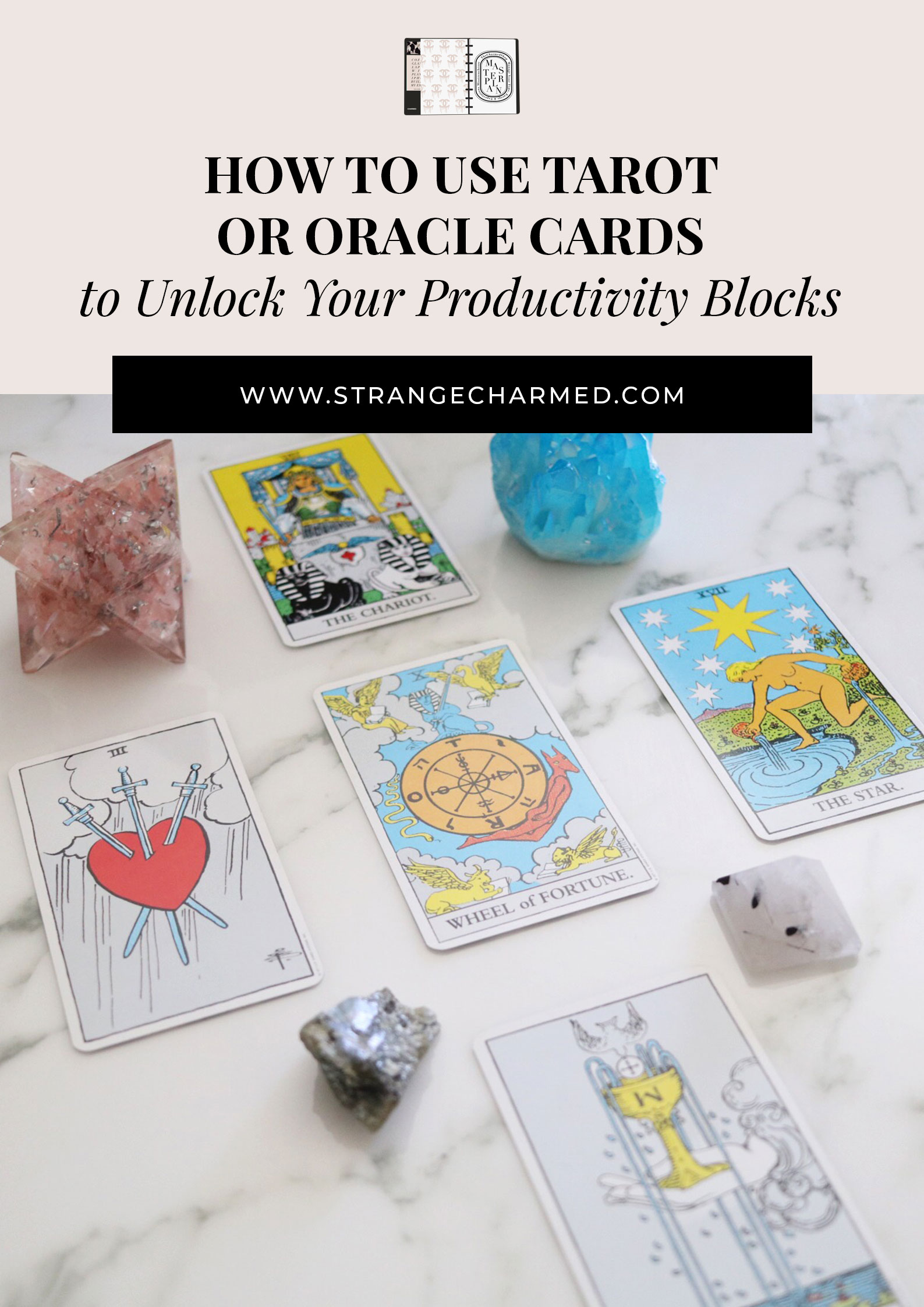
How to Use Tarot or Oracle Cards to Unlock Your Productivity Blocks

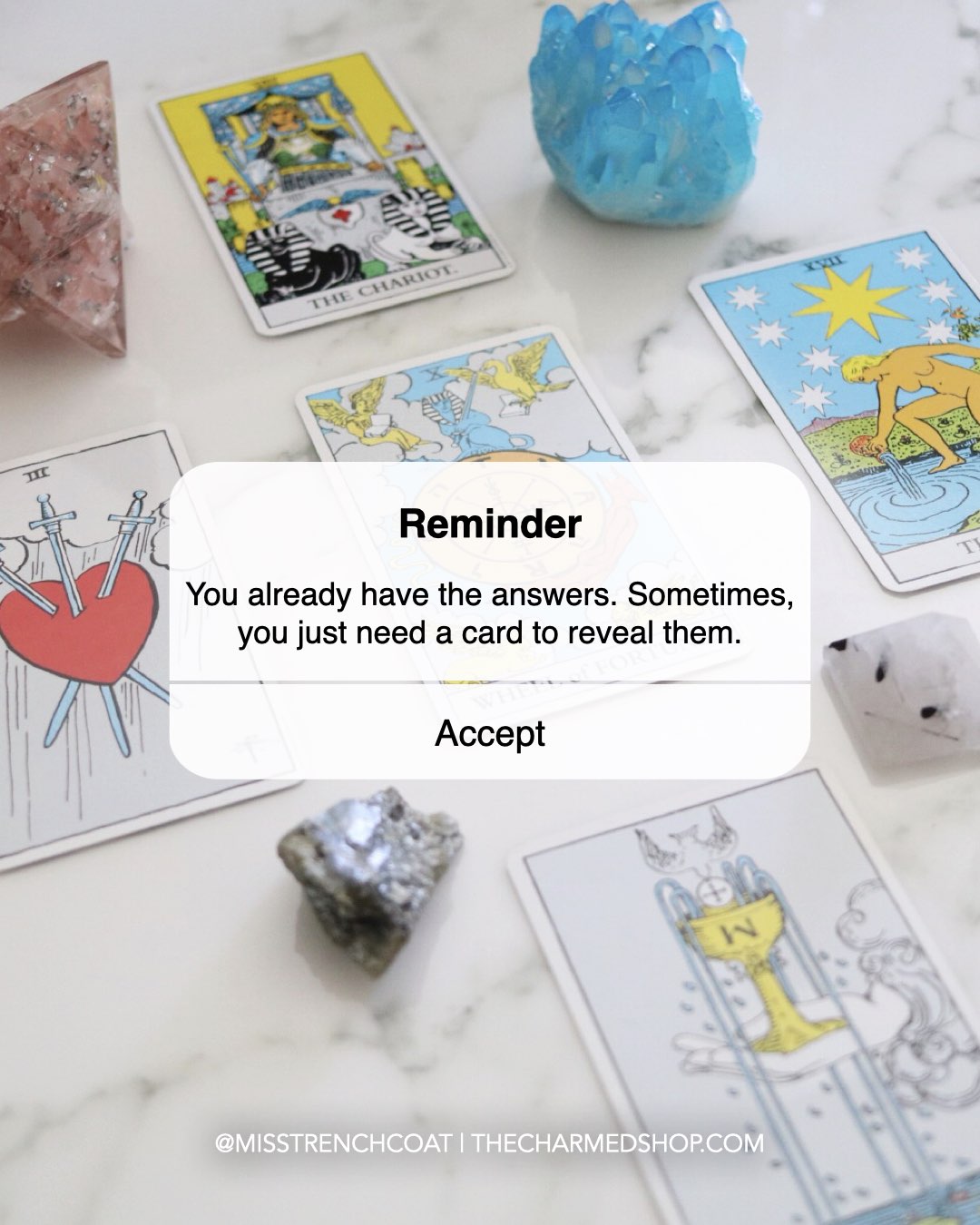
You already have the answers. Sometimes, you just need a card to reveal them. 🔮

Planning isn’t always a logical process. Sure, there are goals to define, tasks to check off, and systems to organize—but sometimes, the real work is underneath the surface. It’s energetic. Emotional. Unclear.

And that’s where tarot and oracle cards come in.

This week in The Oracle of Productivity, we’re exploring how to use metaphysical tools—specifically, tarot and oracle cards—to help you move through mental fog, uncover energetic blocks, and plan from a place of deeper self-awareness.

Whether you’re facing decision fatigue, creative burnout, or just feeling stuck in your to-do list, the answers are often already within you. Tarot simply helps you access and interpret that inner wisdom.

In this post, I’ll show you how to use tarot cards as an intuitive tool in your productivity practice—from decoding the symbolism through a productivity lens, to integrating spreads into your planning rituals with the Charmed Life Master Planner.

Let’s draw a card and see what your next move might be…

🃏 Why Use Tarot for Productivity?

At first glance, tarot might not seem like a natural fit for productivity—but if you’ve ever sat down to plan and felt overwhelmed, stuck, or unsure where to begin, you already know the need for more than just logic.

Tarot is a mirror. It helps you reflect on what’s really going on beneath the surface—emotionally, mentally, and energetically—so you can move forward with clarity.

Rather than predicting your future, tarot and oracle cards give shape and language to your inner knowing. They help you name your blocks, confirm your intuitions, and highlight the steps you might not be seeing.

Here’s how tarot supports a soul-aligned productivity practice:

Clarifies your current energy. Pull a card to get a pulse on how you’re really feeling before diving into a plan.

Reveals hidden resistance. The cards can show you where you’re avoiding action or holding onto old stories.

Supports intentional decision-making. A single card can guide you to the right priority or next step.

Encourages reflection. Pairing tarot with journaling in your planner deepens your awareness and alignment.

It’s not about outsourcing your decisions—it’s about tuning into your own guidance with a little mystical structure.

Tarot + Productivity Correspondences

To integrate tarot into your planning practice, it helps to reframe the cards through the lens of energy, focus, and action. Here’s how each suit and number in the tarot deck can relate to common productivity challenges and strengths.

The Four Suits as Productivity Energies:

WandsInspiration, Motivation, Action
Productivity lens: Momentum, passion, starting new projects, burnout awareness

CupsEmotions, Intuition, Flow
Productivity lens: Emotional alignment, energy checks, self-care, creative intuition

SwordsMental Clarity, Boundaries, Decisions
Productivity lens: Strategy, decision-making, communication, overthinking

PentaclesTime, Resources, Structure
Productivity lens: Systems, habits, scheduling, long-term planning

Numbered Cards (Ace–10):

Ace – New energy, fresh start, idea or focus emerging
Two – Duality, decision-making, balancing priorities
Three – Collaboration, growth, progress after planning
Four – Stability, foundation, rest or reflection
Five – Conflict, change, challenge, energetic disruption
Six – Harmony, movement, support, recalibration
Seven – Strategy, reassessment, pause before action
Eight – Momentum, mastery, repetition, productivity groove
Nine – Culmination, holding firm, near completion
Ten – Completion, burden, release, fulfillment

Court Cards (Personality Energies):

Page – Student, curiosity, new beginnings
Planning tip: Explore new systems, experiment, try something fresh

Knight – Action, commitment, drive
Planning tip: Choose a clear direction and follow through

Queen – Intuition, integration, nurturing
Planning tip: Plan with emotional awareness and consistency

King – Leadership, control, mastery
Planning tip: Review, evaluate, and refine systems from a big-picture view

Major Arcana – Productivity Archetypes

0 The Fool – New cycle, take a risk, start before you’re ready
I The Magician – Use your tools, activate a plan
II The High Priestess – Pause, go inward, trust intuition
III The Empress – Creative flow, nurture your ideas
IV The Emperor – Build systems, create structure, be decisive
V The Hierophant – Follow the process, trust the framework
VI The Lovers – Align with your values, choose wisely
VII The Chariot – Focus, execute, stay the course
VIII Strength – Inner resolve, persistence through discomfort
IX The Hermit – Solitude, reflection, retreat to realign
X Wheel of Fortune – Timing, cycles, trust the turning point
XI Justice – Logic, fairness, weigh your choices
XII The Hanged Man – Surrender, shift perspective, pause with purpose
XIII Death – Endings and transformation, release the old
XIV Temperance – Balance, flow, patience with progress
XV The Devil – Release attachment, face the distraction
XVI The Tower – Disruption, breakthrough, start fresh
XVII The Star – Hope, vision, clarity returns
XVIII The Moon – Fog, illusion, navigate slowly
XIX The Sun – Joy, success, energetic confidence
XX Judgement – Evaluate, rise up, align with your truth
XXI The World – Completion, mastery, fulfillment of a cycle

🔮 3 Tarot Spreads for Planning

These simple yet powerful spreads are designed to help you uncover blocks, clarify your focus, and approach your week or month with intention. You can use either tarot or oracle cards—whichever you feel most connected to.

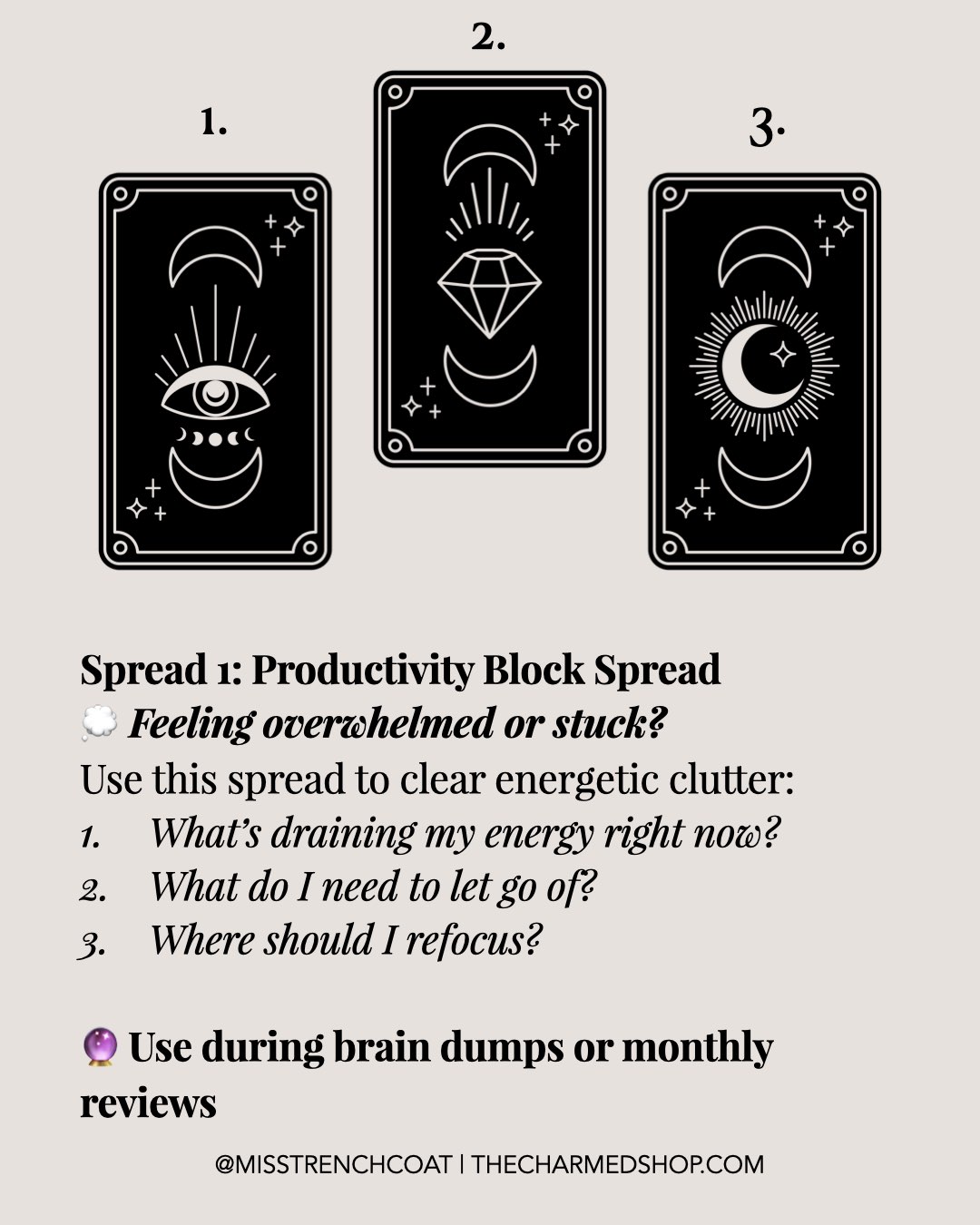
1. The Productivity Block Spread

Purpose: Identify what’s keeping you stuck and how to shift it.

Spread Layout:

[1]     [2]     [3]

Card Positions:

  1. What’s draining my energy right now?
  2. What do I need to let go of?
  3. Where should I refocus?

Use this when:

  • You feel overwhelmed
  • You’re procrastinating
  • Your to-do list isn’t moving

Bonus Tip: Journal the answers in your Brain Dump or Notes section of your planner to clear space mentally and emotionally.

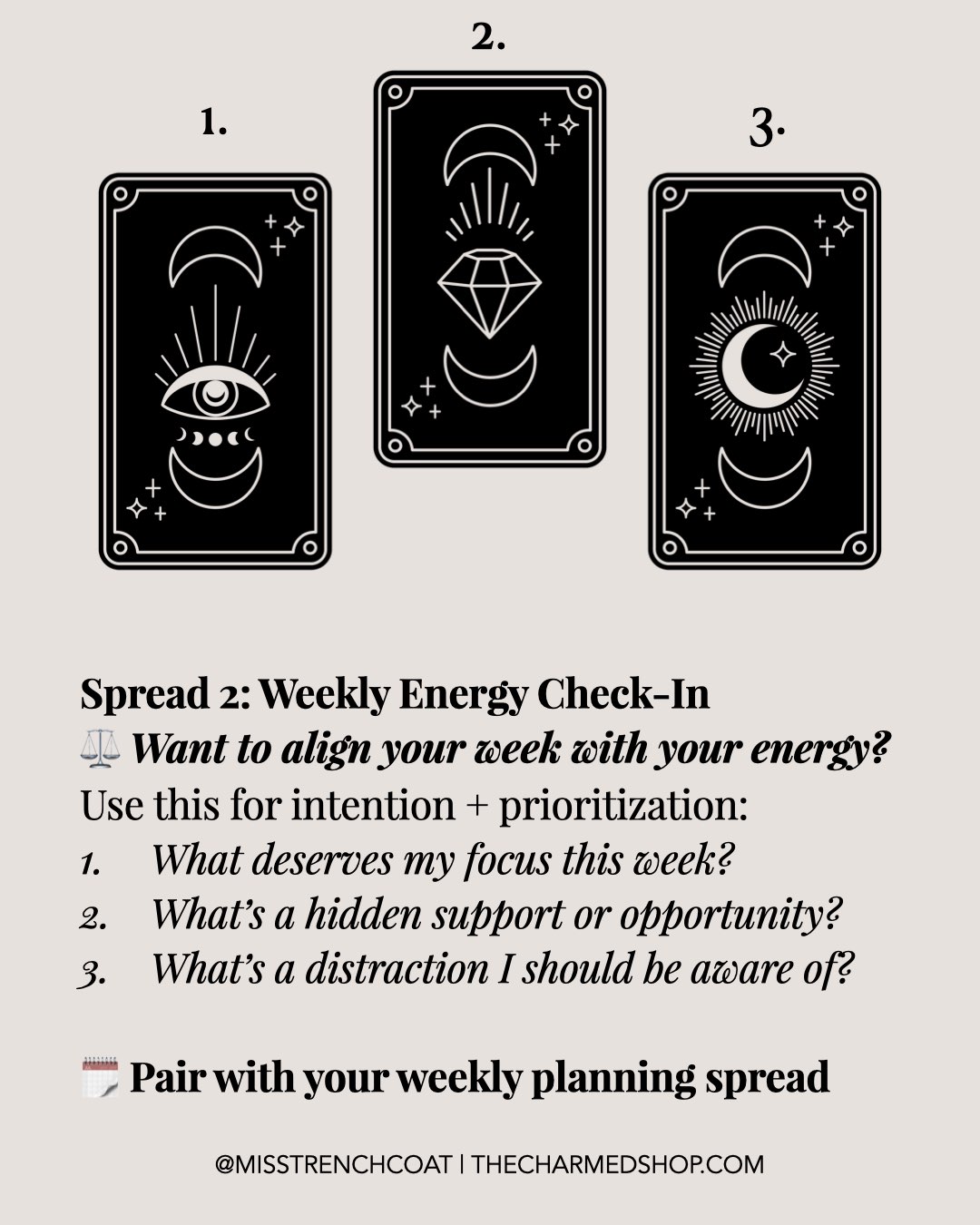
2. The Weekly Energy Check-In

Purpose: Align your plans with your current energy and uncover hidden opportunities.

Spread Layout:

[1]     [2]     [3]

Card Positions:

  1. What deserves my focus this week?
  2. What’s a hidden opportunity or support?
  3. What’s a distraction I should be aware of?

Use this when:

  • You’re planning your week
  • You need to prioritize wisely
  • You’re feeling scattered

Planner Pairing: Use the Weekly Agenda Spread or Week on Two Pages Horizontal to reflect these insights in your plan.

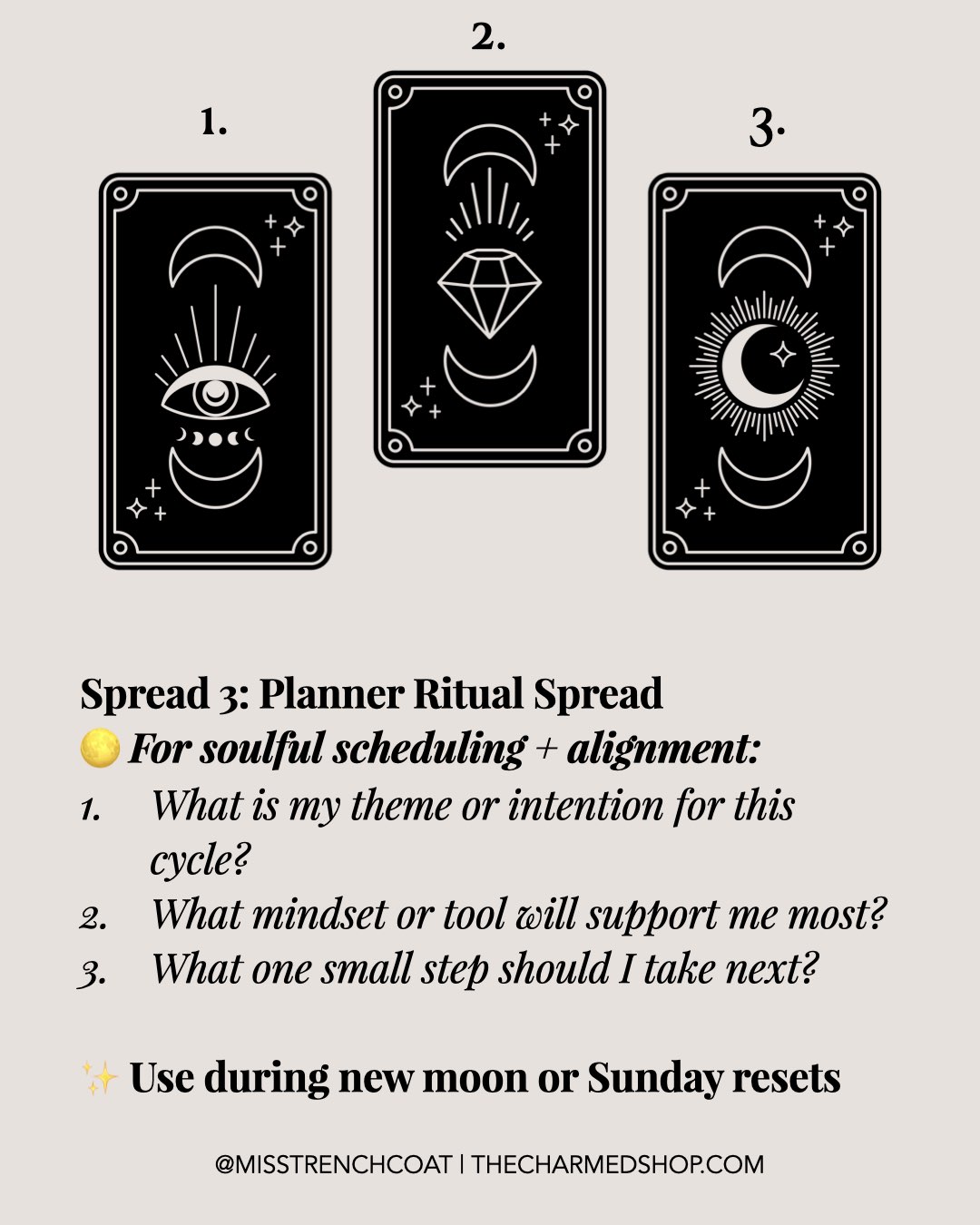
3. The Planner Ritual Spread

Purpose: Set your intention and map your support system for the week or month ahead.

Spread Layout:

[1]     [2]     [3]

Card Positions:

  1. What is my intention or theme for this cycle?
  2. What tool or mindset will support me most?
  3. What is one small aligned action I can take?

Use this when:

  • Beginning a new month or quarter
  • During a full moon or new moon ritual
  • Anytime you want to bring deeper soul into your planning

Planner Pairing: Try using your Monthly Objective Tracker, Ideal Daily Routine, or Productivity Strategy Referencebased on the card insights.

These spreads offer structure for your intuition. You don’t have to “read” them perfectly—just let the imagery, emotion, and resonance guide your next step.

📝 How to Add This to Your Planning Rituals

You don’t need to be a seasoned tarot reader to bring this magic into your routine. Tarot and oracle cards are simply tools to help you tune in, reflect, and plan with more awareness.

Here’s how to start incorporating them into your existing planning rituals:

🕯️ 1. Before You Plan, Pull a Card

Before diving into your weekly or monthly spread, shuffle your deck and pull a card (or three). Ask something like:

“What energy am I working with this week?”

“What do I need to focus on today?”

“What energy will support me as I work toward my goals?”

Jot down your interpretation in your Notes section or directly onto your weekly spread to keep the insight visible.

✍️ 2. Use Spreads During Monthly Reviews

Your monthly reflection time is the perfect space to add a spread. Use one of the suggested layouts from the previous section to gain perspective on how the last month went and what needs to shift moving forward.

Pair this with your Monthly Review or Objective Plan with Notes insert.

🌕 3. Create a New Moon or Full Moon Ritual

Pull cards for intention setting or energetic check-ins during each lunar phase. Tie your planner usage to the moon’s rhythm:

New Moon = set intentions (use Monthly Calendar or Yearly Goals)

Full Moon = reflect and release (use Brain Dump or Monthly Review)

🔁 4. Pair Cards with Planner Inserts

Think of each card as a guide pointing you toward the right tool. For example:

The Emperor → Use your Productivity Strategy Reference to reinforce structure

The Hermit → Spend time in your Notes section for quiet self-reflection

The Chariot → Fill out your Objective Tracker and take action

Over time, you’ll develop your own intuitive system for this pairing process.

Tarot and planning are a beautiful balance of soul and structure. The cards won’t do the work for you—but they willilluminate the best way forward.

Conclusion

Productivity isn’t just about doing more—it’s about doing what matters, in a way that honors your energy, clarity, and intuition. Tarot and oracle cards help you slow down, ask deeper questions, and uncover the truth you might be avoiding (or not yet seeing).

You already have the answers. The cards just help you name them.

When you combine that insight with the right planning tools, that’s when things begin to shift.

🪄 Ready to turn your insights into aligned action?

The Charmed Life Master Planner System is designed to help you map out your next steps with structure and soul. Once the cards show you where to go, your planner will help you get there.

👉 Click here to purchase the Charmed Life Master Planner and start building your master plan today.

xoxo,

Productivity Advice for Your Zodiac Sign

You weren’t meant to fit into someone else’s productivity system. And if you’ve ever felt like traditional productivity advice leaves you overwhelmed or uninspired, it might be time to look to the stars.

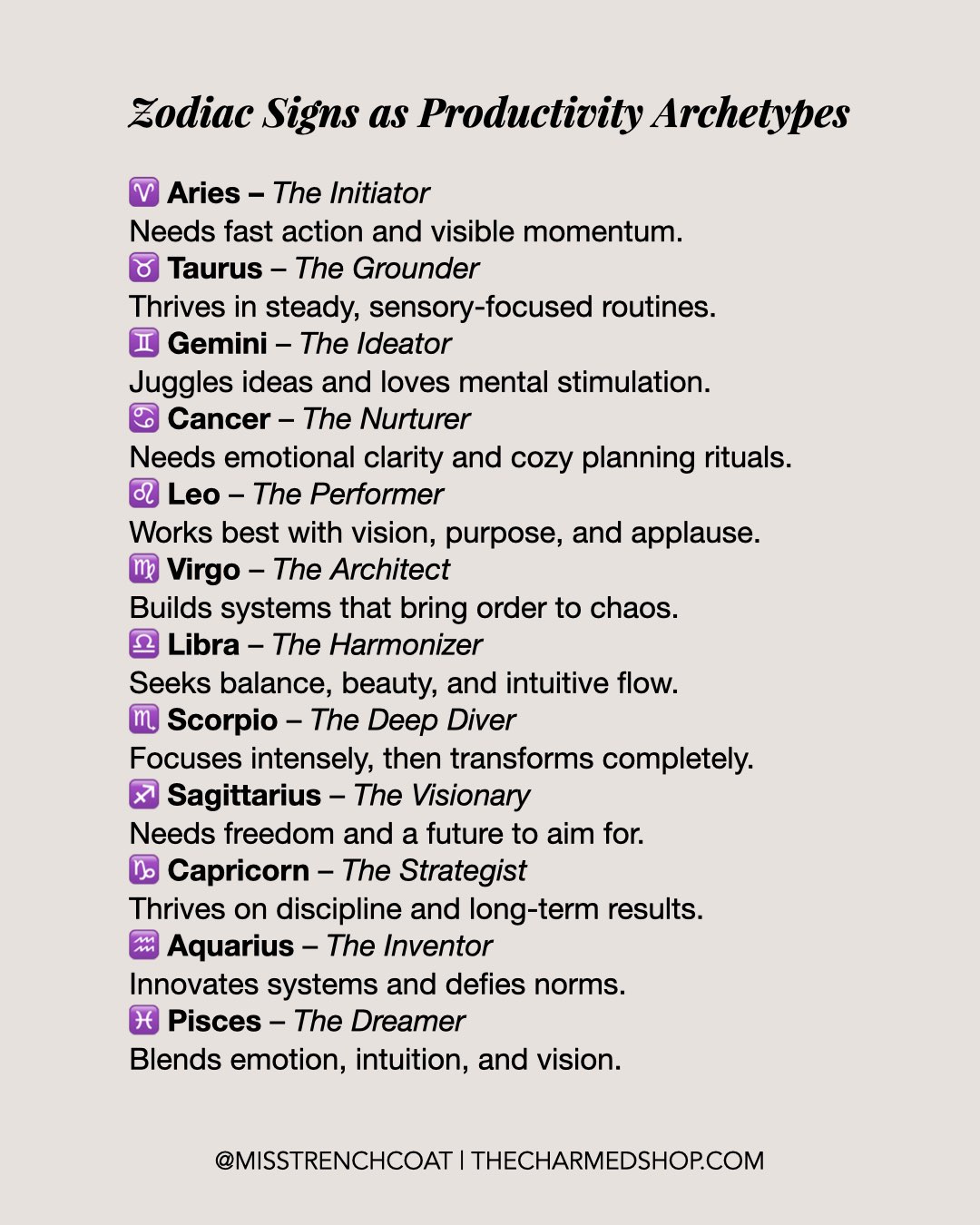
Your zodiac sign can be more than just a personality indicator—it can offer surprising insight into how you work best, where you struggle, and what kind of planning system will actually support your success. Whether you’re a fiery Aries who thrives on momentum or a thoughtful Virgo who lives for checklists, your sign might hold the key to unlocking your ideal workflow.

Don’t worry—if you’re not into astrology or don’t know your chart, this post is still for you. Simply read through the signs and choose the ones that speak to your specific strengths and struggles. You’ll find actionable productivity advice you can use—whether you believe in zodiac signs or not.

In this post, we’re breaking down each sign’s:

  • Productivity Superpower
  • Common Struggle
  • Ideal Weekly Reset Routine (3 steps)
  • Must-Have Insert from the Charmed Life Master Planner System

Let’s dive into the cosmos and create a planning system that aligns with your energy and helps you get things done like magic.

♈️ Aries (March 21 – April 19)

Productivity Superpower: Aries is bold, energetic, and thrives in motion. You’re a natural initiator with an eye for fast wins and the confidence to leap into action before others even make a plan.

Common Struggle: You may struggle with impulsivity, unfinished projects, and burnout from doing too much too quickly. Long-term consistency doesn’t come naturally, which can derail your momentum.

Ideal Weekly Reset Routine:

  • Brain Dump to Clear the Slate: Start your week with a clean mind. Use the Brain Dump insert to capture all your racing ideas, to-dos, and mental clutter. Don’t edit—just release.
  • Prioritize with the Objective Plan: Choose one key objective to focus on and map out your steps using the Objective Plan with Notes. Aries energy thrives on clarity and direction.
  • Schedule Quick Wins: Use the Week on One Page agenda to block in small tasks that give you fast progress. This keeps your energy high while maintaining focus on your goal.

Must-Have Insert: Objective Plan with Notes — helps transform impulsive energy into a focused strategy for completion.

♉️ Taurus (April 20 – May 20)

Productivity Superpower: Taurus is dependable, consistent, and thrives in grounded routines. You bring slow and steady progress, which leads to powerful long-term results.

Common Struggle: You may resist change or struggle with inertia—once you’re in a comfort zone, it’s hard to get moving again. New systems or tools can feel overwhelming.

Ideal Weekly Reset Routine:

  • Revisit Your Ideal Daily Routine: Use the Ideal Daily Routine insert to refine your rhythm and rebuild any habits that slipped. Taurus excels when anchored in predictability.
  • Plan in Spacious Blocks: Use the Monthly Calendar (Two Page) layout to create structure without pressure. Avoid overscheduling.
  • Add a Ritual to Your Week: Choose a small but meaningful upgrade—like a new candle, playlist, or coffee ritual—on your Vision Board to keep things feeling fresh.

Must-Have Insert: Ideal Daily Routine — supports comfort, stability, and repeatable success through grounded structure.

♊️ Gemini (May 21 – June 20)

Productivity Superpower: Gemini is mentally agile, communicative, and full of ideas. You shine when juggling multiple interests, connecting dots, and creating in short bursts.

Common Struggle: With so many interests, you may lose focus quickly, jump from project to project, and struggle with consistency or overcommitting your time.

Ideal Weekly Reset Routine:

  • Brainstorm Everything: Use the Brainstorm insert to capture all your ideas, plans, and inspirations in one place—no filter needed.
  • Theme Your Week: Use the Week on Two Pages Horizontal to assign a loose theme or category to each day (e.g., content, admin, meetings).
  • Track Quick Wins: Refer to your Productivity Strategy Reference to identify your best go-to tools for finishing tasks fast.

Must-Have Insert: Brainstorm — gives you a space to play with ideas before committing them to your plan.

♋️ Cancer (June 21 – July 22)

Productivity Superpower: Cancer is deeply intuitive and emotionally intelligent. You’re a nurturer at heart and do your best work when your environment feels safe, calm, and supportive.

Common Struggle: You may struggle with emotional overwhelm, overcommitting to others’ needs, or neglecting your own boundaries and energy levels.

Ideal Weekly Reset Routine:

  • Reflect Before You Plan: Use the Monthly Review to release emotional baggage and reconnect with your deeper goals.
  • Protect Your Energy: Block out self-care time first in your Ideal Weekly Schedule—rest, reflection, and gentle movement.
  • Set Gentle Intentions: Use the Monthly Objective Tracker to outline 1–2 meaningful goals and 2–3 supportive habits or routines.

Must-Have Insert: Monthly Objective Tracker — helps you track personal growth without pressure, and create habits that nourish your emotional well-being.

♌️ Leo (July 23 – August 22)

Productivity Superpower: Leo is bold, expressive, and motivated by purpose. You thrive when you’re inspired and have a spotlight-worthy goal to pursue.

Common Struggle: You may resist mundane tasks or lose interest when you’re not receiving recognition. Too much routine can dull your spark.

Ideal Weekly Reset Routine:

  • Reconnect with Your Vision: Use your Vision Board insert to revisit your big-picture dreams and refresh your “why.”
  • Break It Down Strategically: Use the Yearly Objective Matrix to map out key milestones and create a sense of structure around your goals.
  • Plan Visibility Moments: Schedule creative or performance-based tasks in your Monthly Task List—social posts, presentations, launches.

Must-Have Insert: Vision Board — keeps your goals visually and emotionally front-and-center, helping you lead with intention.

♍️ Virgo (August 23 – September 22)

Productivity Superpower: Virgo is methodical, detail-oriented, and naturally gifted at creating structure. You thrive when there’s a clear system and a checklist to follow.

Common Struggle: You may struggle with perfectionism, overthinking, or getting stuck in the planning phase instead of taking action.

Ideal Weekly Reset Routine:

  • Declutter Your Mind: Use the Brain Dump to clear your thoughts and then sort tasks by importance and urgency.
  • Track Your Systems: Use the Monthly Objective Tracker to log routines, habits, and incremental progress.
  • Plan for Precision: Use the Week on Two Pages Vertical layout to schedule your tasks clearly and efficiently.

Must-Have Insert: Monthly Objective Tracker — brings clarity and control to your high standards without the overwhelm.

♎️ Libra (September 23 – October 22)

Productivity Superpower: Libra is diplomatic, thoughtful, and great at creating harmony in their environment. You work best when your space and schedule feel balanced and beautiful.

Common Struggle: You may struggle with indecision, people-pleasing, or spending too much time weighing options instead of acting.

Ideal Weekly Reset Routine:

  • Visualize Your Week: Use the Ideal Weekly Schedule to block out a well-rounded plan with time for work, creativity, and connection.
  • Narrow Your Focus: Use the Objective Tracker to select one priority at a time and track small, steady progress.
  • Keep It Simple: Use the Monthly Calendar (One Page) to avoid clutter and decision fatigue.

Must-Have Insert: Ideal Weekly Schedule — helps you design a well-balanced week you can stick to with clarity and ease.

♏️ Scorpio (October 23 – November 21)

Productivity Superpower: Scorpio is focused, strategic, and fiercely committed to long-term transformation. You excel at deep work and pushing through resistance.

Common Struggle: You may struggle with intensity overload, burnout, or isolating yourself during difficult tasks. Your “all or nothing” approach can lead to imbalance.

Ideal Weekly Reset Routine:

  • Prioritize Depth, Not Volume: Use the Objective Plan with Notes to choose one high-impact goal and outline your path to completion.
  • Protect Your Focus Time: Schedule non-negotiable blocks in the Day on One Page insert for distraction-free work.
  • Create Space to Release: Use the Monthly Review to reflect on your energy and reset emotionally.

Must-Have Insert: Day on One Page — gives you space to manage intense focus, while still honoring emotional balance.

♐️ Sagittarius (November 22 – December 21)

Productivity Superpower: Sagittarius is optimistic, adventurous, and thrives on exploration. You’re energized by big ideas, freedom, and the opportunity to learn or grow.

Common Struggle: You may struggle with restlessness, staying committed to routines, or boredom with repetitive tasks. Long-term planning can feel too limiting.

Ideal Weekly Reset Routine:

  • Zoom Out First: Use the Yearly Tracker & Yearly Overview to remind yourself of your big-picture goals and how this week supports them.
  • Plan in Sprints: Use the Week on Two Pages Horizontal to plan blocks of creative focus with lots of open space in between.
  • Anchor to Adventure: Use the Yearly Objective Matrix to map out your next trip, course, or milestone that keeps you motivated.

Must-Have Insert: Yearly Tracker & Yearly Overview — keeps your goals flexible and future-focused, which supports your desire for inspired progress.

♑️ Capricorn (December 22 – January 19)

Productivity Superpower: Capricorn is ambitious, disciplined, and laser-focused on achieving long-term goals. You naturally structure your time and thrive when you’re working toward something meaningful.

Common Struggle: You may struggle with overworking, perfectionism, or becoming so task-focused that you forget to celebrate your wins or take meaningful breaks.

Ideal Weekly Reset Routine:

  • Clarify Priorities: Use the Productivity Strategy Reference to revisit your values and choose the most strategic priorities for the week.
  • Set a Realistic Objective: Plan a measurable, achievable outcome using the Objective Tracker, and map tasks accordingly.
  • Plan, Then Rest: Use the Week on Two Pages Vertical for detail-oriented scheduling—and block in non-negotiable rest.

Must-Have Insert: Productivity Strategy Reference — gives you a systems-based approach to goal setting and time management that fuels sustainable success.

♒️ Aquarius (January 20 – February 18)

Productivity Superpower: Aquarius is innovative, future-focused, and thrives on unconventional ideas. You’re a visionary thinker who works best when you feel free to challenge the status quo and create meaningful impact.

Common Struggle: You may struggle with follow-through, getting distracted by new ideas, or resisting structure that feels too restrictive or traditional.

Ideal Weekly Reset Routine:

  • Download Your Genius: Use the Notes insert to document your ideas, inspiration, and insights before they’re forgotten or scattered.
  • Balance Vision with Structure: Use the Yearly Objective Matrix to visualize how your innovative ideas ladder into long-term goals.
  • Stay Grounded with Planning: Use the Week on Two Pages Horizontal to lightly structure your time while leaving room for flexibility.

Must-Have Insert: Yearly Objective Matrix — allows you to map out your big-picture plans and organize them into meaningful action over time.

♓️ Pisces (February 19 – March 20)

Productivity Superpower: Pisces is intuitive, imaginative, and deeply inspired by beauty and emotion. You thrive when your planning process taps into your creativity and allows for flexibility and flow.

Common Struggle: You may struggle with staying grounded, following through on details, or getting distracted by dreams and ideas without taking consistent action.

Ideal Weekly Reset Routine:

  • Create a Vision Ritual: Use the Vision Board insert to visually anchor your weekly intentions and make your goals feel emotionally real.
  • Channel Intuition into Planning: Use the Brain Dump to free-write everything in your head, then gently organize tasks into manageable categories.
  • Design Dreamy Structure: Use the Week on Two Pages Horizontal to plan in flow-based time blocks rather than rigid schedules.

Must-Have Insert: Vision Board — turns abstract ideas into something tangible and motivating, keeping you emotionally connected to your goals.

Final Thoughts: Your Cosmic Productivity Plan

Whether you’re a disciplined Capricorn or a dreamy Pisces, productivity isn’t one-size-fits-all. The most powerful system is one that aligns with your natural rhythms, honors your unique strengths, and supports your personal growth.

By using astrology as a lens, you gain permission to work with your energy—not against it. And with the right tools from the Charmed Life Master Planner, you can design a planning system that’s not just functional, but magical.

🪄 Ready to plan your week like it was written in the stars?

Explore the Charmed Life Master Planner System and get the inserts you need to bring your zodiac-aligned productivity style to life.

👉 Browse the Planner Collection Now

xoxo,

5 Planning Habits That Protect My Peace

There was a time when I thought planning was all about squeezing more productivity into my day.
More tasks. More goals. More doing.

But what I’ve learned over the years is this: if your planning isn’t protecting your peace, it’s not actually helping you live well.

A well-planned life isn’t rigid. It’s intentional, responsive, and grounded in self-leadership. It’s about having a structure that supports your priorities and your well-being.

These are the 5 planning habits I practice consistently to keep my plans aligned with my peace — so I can lead my life with clarity, energy, and purpose.


1. Weekly Reflection Before Planning

Key Question: “What worked last week? What didn’t? Where did I feel energized—or drained?”

Before I start writing my plans for the week, I pause and look back.
Reflection keeps me from starting from scratch or guessing what matters — I use the real data of my lived experience to guide my next steps.

I’ll ask myself:

  • Which projects or tasks gave me momentum?
  • Where did I feel resistance or burnout?
  • Did I honor my personal priorities alongside my professional ones?

From there, I can lean into what’s working and adjust what’s not — before the week even begins.

Pro tip: Keep a running “energy tracker” in your planner to note patterns in how you feel and perform. These insights are invaluable for creating plans that truly support you.


2. Top 3 Priorities Every Day

Key Question: “If I only got 3 things done today, what would make the biggest impact?”

The Daily Top 3 is my secret weapon against overwhelm.

Instead of staring down a mile-long list, I identify three high-impact tasks that will move me closer to my goals. The rest becomes optional bonus work.

Your Daily Top 3 could be:

  • Wrapping up a client project
  • Completing a workout
  • Prepping meals for the week

Choose them based on urgency and alignment with your bigger objectives — not just what’s loudest in your inbox. When you lead with these, you’ll end the day feeling accomplished instead of depleted.


3. Time Blocking with White Space

Key Question: “When do I need to focus—and when do I need to breathe?”

Time blocking helps me protect my most valuable resource: my energy.

I map my day into chunks dedicated to focused work, creative tasks, and yes — rest. White space is not wasted time; it’s recovery time that allows you to show up sharper for what’s next.

I even block buffer time between meetings or errands. Those extra minutes mean I’m not rushing, flustered, or playing catch-up. It’s small planning decisions like these that keep stress at bay.


4. Monthly Reset Rituals

Key Question: “What do I want to leave behind this month? What do I want to make space for?”

At the end of each month, I set aside an hour for a reset. I light a candle, put on some music, and review my goals and planner pages.

Here’s what I do:

  • Clear out any tasks or projects that no longer serve me
  • Migrate or schedule important tasks forward
  • Refresh my monthly spreads with new priorities and dates
  • Identify one or two focus areas for the upcoming month

This ritual is both practical and grounding. It’s a way of closing one chapter before starting the next with clarity and intention.


5. Permission to Pause and Adjust

Key Question: “What can I let go of today to protect my energy and stay aligned?”

The final habit is less about what I write in my planner and more about how I use it.

I remind myself daily: My plan is a guide, not a contract. If life shifts, I’m allowed to adjust.

Sometimes that means moving a task to tomorrow, delegating it to someone else, or deleting it altogether.
Other days, it means dropping my to-do list entirely and giving myself rest without guilt.

I’ll often write a simple “I release…” statement in my planner to make the letting go intentional. Protecting your peace is as much about what you don’t do as what you do.


Final Thoughts

These five habits are small shifts, but they’ve completely transformed the way I plan and live. They help me protect my energy, honor my priorities, and approach each day with purpose instead of pressure.

If you’re ready to start planning this way, the Charmed Life Master Planner was designed to be your ultimate second brain — helping you capture your thoughts, organize your priorities, and build the well-planned, peaceful life you’ve been craving.
✨ Enjoy 25% off your purchase with code MasterPlan2026.

And if you want clarity on the next steps to becoming your most well planned and productive self, download the Well Planned & Productive Woman Reset Workbook. It’s the perfect companion to start integrating these habits into your daily life.

Your peace is worth protecting — and your planner can help you do it.

xoxo,

5 Things Every Well Planned & Productive Woman Writes in Her Planner Each Morning

Your planner isn’t just a notebook — it’s your second brain.
It’s the safe, structured space where all the moving pieces of your life can live without weighing you down.

Because here’s the truth: you were never meant to keep it all in your head.
The ideas, the to-dos, the appointments, the dreams — it’s too much cognitive weight for one brain to carry. That’s why we plan. To release the mental clutter, create structure for our energy, and build momentum without burnout.

Each morning, before the world starts making requests of my time and attention, I sit down with my planner and anchor into my day. It’s a simple ritual that takes just a few minutes, but it sets the tone for everything that follows.

If you want to feel calmer, clearer, and more in control of your time, here are the five things every Well Planned & Productive Woman writes in her planner each morning.


1. Daily Top 3

The Well Planned & Productive Woman knows that not all tasks are created equal.
Your Daily Top 3 are the three most important tasks you must accomplish today in order to stay aligned with your goals and keep momentum moving forward.

These aren’t just random to-dos pulled from a long list — they’re chosen with intention. I use the urgency/importance filter to decide: Will this move the needle? Is there a consequence if it’s not done today? Is it directly tied to one of my bigger objectives?

Your Daily Top 3 might look like:

  • Finalizing a client proposal
  • Recording a podcast episode
  • Booking a long-overdue dentist appointment

When you lead with these priorities, everything else on your list becomes bonus progress, not a source of guilt or overwhelm.


2. Any Appointments or Time-Based Commitments

Once I’ve locked in my Daily Top 3, I turn my attention to the non-negotiables on my schedule — the appointments, calls, and events that are tied to a specific time.

These are the anchor points of my day. They tell me where my energy needs to be and when, and they help me realistically plan what’s possible in the spaces between. Because let’s be honest — we’ve all had those days where our to-do list was longer than our actual available hours.

By putting my time-based commitments front and center, I can see immediately where I have focused work windows, where I might need to shift priorities, and where I should build in white space for travel, preparation, or recovery.

Pro tip: If you have multiple small appointments, try batching errands or phone calls around them. This keeps your energy contained instead of scattered, and it protects those bigger blocks of uninterrupted time that are so valuable for deep, focused work.


3. A Personal Intention or Mindset Anchor

This is where I remind myself who I am becoming and what I’m working toward.

Each morning, I write a short statement that connects me directly to my bigger goals — not just for the day, but for my life and business. It might be a concrete objective I’m focused on, like:

  • I am creating $10,000 in sales this month with ease and joy.
  • I am showing up consistently for my health with nourishing food and daily movement.

Or it might be an affirmation that shifts me into the version of me who has already achieved those goals:

  • I am a confident, well-resourced CEO who makes decisions with clarity.
  • My dream clients find me easily and love to work with me.

This small act isn’t just motivational — it’s mental reprogramming. By writing and re-reading these intentions daily, you train your mind to believe they are possible (and inevitable), which shapes the actions you take.

I place my intention at the top of my planner page so I see it all day long. It becomes my quiet reminder to lead my decisions from the future I’m creating, not the limitations I’m leaving behind.


4. A Quick Brain Dump to Declutter Your Thoughts

Before I dive into my work, I give my mind a clean slate by getting everything that’s floating around in my head down on paper.

This isn’t my full to-do list — it’s a capture session for anything that’s surfaced since I last planned. It might be a small errand, a random idea for my business, a reminder to follow up with someone, or even a household task I’ve been mentally carrying.

From there, I quickly triage each item:

  • Do it today — if it’s urgent or connected to my Daily Top 3.
  • Schedule it — for later in the week or month.
  • Delegate it — to someone else who can handle it.
  • Delete it — if it’s not important or relevant anymore.

I use the Brain Dump inserts from the Charmed Life Master Planner for this because it keeps everything in one place and makes sorting easy. Once I’ve captured it all, I can see clearly what actually matters today and what can wait — which means I’m not carrying the stress of remembering it all in my head.


5. One Thing I’m Letting Go of to Protect My Peace

This is my favorite part of my morning planning ritual — identifying something I’m consciously not carrying with me into the day.

It could be a task I’ve been pressuring myself to finish that truly isn’t a priority right now. It might be a worry I can’t control, a piece of perfectionism that’s slowing me down, or even someone else’s expectation that doesn’t align with my goals.

By naming it, I give myself permission to release it. I write it right in my planner so it’s a visible reminder: this is not mine to hold today.

Letting go isn’t about avoidance — it’s about protecting my energy for the things that truly matter. When I do this daily, I find I end the week feeling more grounded, less scattered, and far more satisfied with the progress I’ve made.


Your morning planning ritual doesn’t have to be long or complicated — just intentional. By taking a few minutes to map out your Daily Top 3, note your commitments, anchor into your goals, clear the mental clutter, and release what doesn’t serve you, you’ll set yourself up to lead your day with clarity, focus, and peace.

And if you’re ready to take this practice to the next level, the Charmed Life Master Planner is the ultimate functional planner designed to be your second brain. It’s built to support you in becoming the Well Planned & Productive Woman you’ve always wanted to be — with tools for capturing, organizing, and allocating your life with ease.
✨ Enjoy 25% off your purchase with code MasterPlan2026.

If you’re just getting started on your journey and want clarity on exactly what to do next, download the Well Planned & Productive Woman Reset Workbook. It will walk you through the first steps to creating structure, simplifying your routines, and building the habits that will transform your life.

Your dream life isn’t built by chance — it’s built by design. Let’s make it happen.

xoxo,

Stop Doing It All: How to Get More Done by Doing Less

There’s a quiet lie that ambitious women have been sold:
To have the life you want, you have to do everything—and do it perfectly.

But the truth? You don’t have to do it all.
You just need to do what matters most.

Every time you try to tackle your entire to-do list at once, you overwhelm your nervous system, scatter your focus, and drain your energy before the day even begins. You slip into hustle mode, overplan to avoid discomfort, or procrastinate out of perfectionism. It’s not that you’re not capable—it’s that your system is overloaded.

What if, instead of reacting to a mountain of tasks, you could start each day with a sense of calm clarity?
What if just three aligned actions were all it took to move your life and goals forward—without burnout?

In this post, I’ll show you the simple strategy I use (and teach inside the Charmed Life Master Planner) to help high-achieving women get the most important things done without sacrificing their peace. Because intentional productivity isn’t about doing more. It’s about knowing what actually matters—and letting the rest wait.

The Problem With Trying to “Do It All”

Let’s be honest: that long, color-coded to-do list isn’t working.

Sure, it looks productive. But when everything feels urgent, nothing gets done well—and often, nothing gets finished at all. You spend your day bouncing between tasks, second-guessing what’s most important, or working endlessly without ever feeling “done.”

Here’s why this happens:

  • You’re trying to do too much at once, which overwhelms your nervous system and short-circuits your ability to prioritize.
  • You haven’t clarified your core goals, so you end up spending your best energy on things that don’t really move the needle.
  • You confuse busyness with productivity, checking off easy wins instead of focusing on the things that create real progress.

This leads to stress, self-judgment, and a cycle of overplanning or avoidance. And even though you’re working hard, you rarely feel accomplished.

But there’s a better way—one that gives you permission to do less, with more impact.

The Daily Top 3: A Simpler Way to Stay Focused and Feel Accomplished

Instead of trying to conquer your entire list each day, imagine waking up and knowing exactly what to focus on. That’s the power of the Daily Top 3—a simple but powerful strategy built into the Charmed Life Master Planner.

Here’s how it works:

📝 Each morning, you define your Top 3 tasks for the day.
These aren’t random to-dos or whatever feels most urgent. They are the three most important actions that either:

  • Move you closer to a meaningful goal or deadline
  • Prevent unnecessary setbacks or stress
  • Will leave you feeling proud and accomplished by the end of the day

It’s not about ignoring the rest of your tasks. It’s about creating a clear focal point for your time, energy, and attention. Once your Top 3 are done, everything else is a bonus—not a burden.

The Daily Top 3 lives right on the daily planning page of the Charmed Life Master Planner, making it easy to identify your priorities and structure your schedule around them.

This strategy turns your to-do list from an endless obligation into a purposeful tool.
It quiets the noise, lowers anxiety, and helps you make real, measurable progress every single day.

How to Set Your Top 3 (Without Overthinking It)

Choosing your Top 3 each day doesn’t have to be complicated—but it does require intention. The goal is to focus on what will make the most meaningful impact, not just what’s easiest or loudest.

Here are three powerful prompts to guide your decision:

  1. 🧠 What must get done today to avoid setbacks?
    Think about deadlines, responsibilities, or time-sensitive commitments. These are the things that—if ignored—will cause stress or create bottlenecks later.
  2. 📆 What moves me closer to an important goal or intention?
    Choose at least one task that builds long-term momentum. It might not feel urgent, but it’s deeply important to your personal, professional, or creative growth.
  3. 💬 What would make me feel successful by the end of the day?
    Consider the emotional return of your work. Sometimes a task that brings clarity, closure, or relief is just as important as one tied to a deadline.

Once you’ve identified your Top 3, write them clearly in your planner’s daily section. Use the remaining space to list additional tasks or ideas—but don’t allow them to distract you from your focus.

This is how we trade perfectionism for progress—and hustle for intention.

Why This Method Works with Your Nervous System—Not Against It

Most planning systems unintentionally trigger your stress response by overwhelming you with options and impossible expectations. But the Top 3 method is different—it’s designed to work with your nervous system.

Here’s how:

  • It calms the “fight” response by giving your mind a clear plan instead of pushing you into overwork and micromanagement.
  • It soothes the “flight” response by eliminating task overload, so you don’t feel the need to escape or avoid your list.
  • It prevents “freeze” by helping you take decisive action on just three clear tasks, which reduces decision fatigue and inertia.
  • It avoids “faint” or shutdown by making your day feel achievable. Small wins re-engage your energy.
  • It counters the “fawn” response by putting your priorities first—before you give your time away to everyone else.

This is nervous system regulation in disguise.

Each time you choose your Top 3, you send a subtle but powerful message to your brain:
“I’m safe. I’m supported. I know what to do next.”

Over time, this builds a sense of inner trust. You stop reacting to your day—and start leading it.

What This Looks Like in Real Life: Top 3 Examples for Different Women

This strategy isn’t just for entrepreneurs or planners—it’s for anyone who wants to make progress without burning out. Here are a few examples of how different women might use their Top 3:


👩‍👧 The Working Mom
You’re juggling meetings, school drop-offs, and laundry piles.
Today’s Top 3:

  1. Submit final work report by noon
  2. Grocery run for the week
  3. Prep dinner during kid’s homework time

🎯 Why it works: It prioritizes essentials without the pressure to do more than you realistically can.


💻 The Creative Entrepreneur
You have a business to run, content to create, and systems to maintain.
Today’s Top 3:

  1. Outline blog post for launch campaign
  2. Send client proposal and invoice
  3. Record one short-form video

🎯 Why it works: Keeps momentum on revenue-generating tasks while protecting creative energy.


🎓 The Side Hustler or Student
Your time is limited, but your dreams are big.
Today’s Top 3:

  1. Write 500 words for your project or paper
  2. Attend virtual class or client call
  3. Schedule your week ahead using your planner

🎯 Why it works: It focuses energy on high-value actions that protect your goals, even in a packed schedule.


Whatever your season, the Top 3 keeps your days focused, intentional, and flexible—so you can get more done without pushing yourself to the edge.

You Can Have It All—But You Don’t Have to Do It All

You don’t need a longer to-do list.
You need a better way to focus your energy.

When you stop trying to do it all and start doing what truly matters, your days become calmer, more productive, and more aligned. You feel in control—not because everything is done, but because the right things are.

The Daily Top 3 strategy is a simple ritual that rewires your productivity—and your nervous system—for peace and progress. It’s one of the foundational tools inside the Charmed Life Master Planner, designed to help you work smarter, not harder.

If you’re ready to stop spinning your wheels and start making intentional progress each day, the planner is here to support you.

📝 Use code MASTERPLAN2026 at checkout to save 25%
on your Charmed Life Master Planner and start designing a routine that works for you—not against you.

✨ Because you really can have it all.
You just don’t have to do it all at once.

→ Shop the Planner

xoxo,

5 Ways a Functional Planning System Heals Your Nervous System (and Makes You More Productive)

When most people think of self-care, they imagine bubble baths and face masks. But true self-care—transformative self-care—starts with nervous system regulation. If you often feel overwhelmed, scattered, or stuck when trying to tackle your to-do list, your sympathetic nervous system may be in overdrive.

The sympathetic nervous system is the part of your body’s stress response system designed to help you survive danger. But in modern life, it’s often misfiring in response to everyday responsibilities. This system triggers one of five trauma responses: Fight, Flight, Freeze, Faint, and Fawn. Each of these reactions can derail your productivity:

  • Fight makes you over-prepare, micromanage, and feel frustrated when things don’t go perfectly.
  • Flight leads to avoidance, procrastination, and jumping from one task to another.
  • Freeze keeps you stuck, unable to start anything because your brain feels foggy or overwhelmed.
  • Faint (also called shutdown) causes exhaustion, disconnection, or a desire to disappear from your responsibilities.
  • Fawn turns into people-pleasing, overcommitting, and abandoning your own priorities.

When your nervous system is reacting instead of regulating, even simple tasks can feel like climbing a mountain.

But here’s the good news: a functional planning system can prevent these responses from hijacking your progress.By helping you clarify your goals, structure your schedule, and focus your attention, a good planner works like a nervous system support tool—keeping you calm, clear-headed, and in control.

In this post, we’ll break down how a functional planner and smart systems (like those found in the Charmed Life Master Planner) directly counteract each of the five nervous system reactions—so you can stay centered, take aligned action, and finally get your to-do list from to-do to done.

1. FIGHT: Calm the Need to Push or Control with Structured Objectives

When your nervous system is in fight mode, you’re operating under the belief that more effort equals more results. You might feel irritable, easily triggered, or hyper-focused on controlling every detail of your day. It’s a stress response that masquerades as productivity—but often leads to burnout, perfectionism, and micromanagement.

A functional planning system helps you channel that drive into structure, not chaos.

The Charmed Life Master Planner includes areas for Weekly Objectives on the daily and weekly agenda pages, where you identify your top 1–3 objectives for the week and break them into actionable steps. This step helps you:

  • Prioritize progress over perfection
  • Focus your energy on what actually matters
  • Reduce anxiety by making outcomes feel achievable and planned

Instead of reacting with force, you’re guided by clarity. You’re no longer driven by stress—you’re led by strategy.

Why it works: Creating clear weekly objectives tells your nervous system, “I’ve got a plan.” This quiets the fight response and replaces the urgency to control with a calm, confident roadmap.

2. FLIGHT: Ease the Urge to Run or Avoid with Strategic Allocation

When your nervous system shifts into flight mode, it’s not that you don’t care—it’s that the overwhelm is so intense, your instinct is to escape. This looks like procrastinating, over-researching, constantly rearranging your to-do list, or bouncing between tasks without finishing anything. You feel like you’re running, but you’re not getting anywhere.

A functional planner meets this reaction with structure that grounds and guides you.

In the Charmed Life Master Planner, the Weekly Planning Spread and Daily Top 3 system are designed to combat this exact pattern. Here’s how:

  • Weekly Planning Spreads allow you to see your entire week at a glance, so you stop reacting and start anticipating.
  • The Daily Top 3 narrows your focus to just three high-priority tasks, removing the anxiety of a never-ending list.

Instead of “I don’t know where to start,” you begin your day with “I know exactly what to do.”

Why it works: Allocating your tasks to specific days and focusing on a manageable few helps your brain feel safe. Your nervous system sees structure instead of chaos, which calms the urge to run and replaces it with purposeful motion.

3. FREEZE: Thaw Paralysis with Prioritized Capture and Processing

When your nervous system enters freeze mode, everything feels too much. Your thoughts are jumbled, your list is overwhelming, and you’re not sure what even matters anymore—so you do nothing. You might find yourself staring at your planner or scrolling endlessly to avoid making decisions.

This is where functional planning becomes your lifeline.

The Brain Dump system in the Charmed Life Master Planner is designed to gently thaw the freeze response by helping you:

  • Capture everything swirling in your head—tasks, ideas, worries—into one clean inbox
  • Label each item by urgency and importance, separating the noise from what truly matters
  • Cross off or defer what’s not relevant, so your mind isn’t carrying unnecessary mental clutter

This process turns a tangled web of thoughts into an organized, prioritized list of next steps.

Why it works: When your brain sees a clear plan of action, it stops shutting down. The planner acts like a warm hand on your shoulder, reminding you: You don’t have to do everything right now. You just need to take the next right step.

4. FAINT: Rebuild Energy with Gentle Routines and Predictable Structure

The faint response—also known as shutdown—is when your nervous system gets so overwhelmed it simply powers down. You might feel exhausted, detached, hopeless, or unable to care. Even simple tasks feel like too much. This isn’t laziness—it’s a biological response to burnout.

Functional planning offers a gentle structure to restart your system without adding pressure.

The Charmed Life Master Planner includes simple, supportive routines designed to bring you back online at your own pace:

  • The My Ideal Daily Routine insert organizes those small, repeatable rituals to anchor your day and stabilize your energy.
  • Even 5 minutes with your planner in the morning can reconnect you to your intentions and give your day a starting point.
  • Planning even one small action—like prepping clothes or scheduling a walk—helps rebuild confidence and agency.

This isn’t about productivity for productivity’s sake. It’s about restoring the rhythm that helps you feel like you again.

Why it works: Gentle routines tell your nervous system: It’s safe to try again. Over time, these small actions become energy-giving rather than energy-draining—and your motivation naturally returns.

5. FAWN: Break People-Pleasing Patterns with Boundaried Planning

The fawn response is when your nervous system tries to stay safe by keeping everyone else happy. You say yes too often, overextend yourself, and end up abandoning your own goals to meet others’ expectations. Your time gets hijacked, and your to-do list is filled with things that aren’t even yours.

Functional planning gives you permission and structure to protect your energy.

In the Charmed Life Master Planner, two key tools are designed to support you in setting healthy boundaries:

  • The Ideal Weekly Schedule helps you block time for what matters to you—your goals, rest, routines, and self-care.
  • The Monthly Habit Trackers give you visual accountability for how often you’re showing up for yourself, not just others.

By pre-planning your time and tracking your habits, you create a schedule that reflects your values—not someone else’s agenda.

Why it works: When your week is already planned and your routines are visible, it becomes easier to say “no” without guilt. Your planner becomes your boundary. Your nervous system feels safe because you’re no longer overexposed—you’re protected by a plan.

From Dysregulated to Deeply Productive

Your productivity isn’t just about tools or time—it’s about how safe and supported your nervous system feels in the process.

When you’re stuck in fight, flight, freeze, faint, or fawn, even the best intentions can stall. But with a functional planning system, you gain more than organization—you gain nervous system regulation. You move through your week with clarity, focus, and a deep sense of calm. You stop reacting and start responding—with aligned action and steady progress.

If you’re ready to get your tasks from to-do to done—without the stress spiral—the Charmed Life Master Planner is here to support you.

🧠 Use code MASTERPLAN2026 at checkout to get 25% off your planner and start building the elegant, energized life you deserve.

Because planning isn’t just about getting things done—it’s about creating a life where you feel safe, seen, and supported every step of the way.

xoxo,